Welcome to the theater of high-performance confectionery where we treat the humble chocolate chip cookie not as a snack; but as a structural marvel of carbohydrate engineering. We are here to dismantle the amateur notion that baking is a soft science. It is a ruthless negotiation between hydration and heat. When you drop a scoop of dough onto a parchment-lined sheet; you are initiating a complex sequence of Cookie Spread Physics. This is the precise moment where the thermal transition of lipids meets the structural collapse of sugars. If your fat melts before your flour proteins set; you get a greasy puddle. If your leavening agents fire too early; you get a cakey disappointment. We want the golden ratio: a crisp; caramelized perimeter that transitions into a dense; chewy core. This requires an obsession with molecular timing and an auditor's eye for detail. We are not just making cookies; we are managing the technical infrastructure of baked flour disks to ensure maximum sensory impact and structural integrity.
THE DATA MATRIX
| Metric | Specification |
|---|---|
| Prep Time | 20 Minutes |
| Execution Time | 12 Minutes |
| Yield | 24 Units |
| Complexity (1-10) | 4 |
| Estimated Cost per Serving | $0.45 |
THE GATHERS
Ingredient Protocol:
- 225g / 1 cup Unsalted European Butter (82 percent butterfat)
- 200g / 1 cup Light Brown Sugar (packed)
- 100g / 0.5 cup Granulated White Sugar
- 2 Large Eggs (Room Temperature)
- 10ml / 2 tsp Pure Madagascar Vanilla Extract
- 350g / 2.75 cups All-Purpose Flour (11.7 percent protein)
- 5g / 1 tsp Baking Soda
- 5g / 1 tsp Flaked Sea Salt
- 340g / 2 cups Semi-Sweet Chocolate Couverture (60 percent cacao)
Section A: Ingredient Quality Audit:
The primary failure point in Cookie Spread Physics is often the moisture content of the butter. If your butter has a high water content; it will infuse the flour with too much steam; leading to an airy; cake-like texture. To fix this; use European-style butter which has a higher fat-to-water ratio. If you only have standard supermarket butter; render it slightly in a saucier to cook off 5 percent of the water before cooling it back to a plastic state. Another audit risk is old baking soda. If your leavening agent has lost its potency; the dough will not aerate properly; resulting in a leaden disk. Test your soda by dropping a pinch into vinegar; if it does not aggressively bubble; discard it immediately. Finally; ensure your chocolate is couverture grade. Standard chips contain stabilizers that prevent melting; whereas couverture will flow and create those essential pockets of viscous luxury.
THE MASTERCLASS
1. The Lipid-Sugar Emulsification
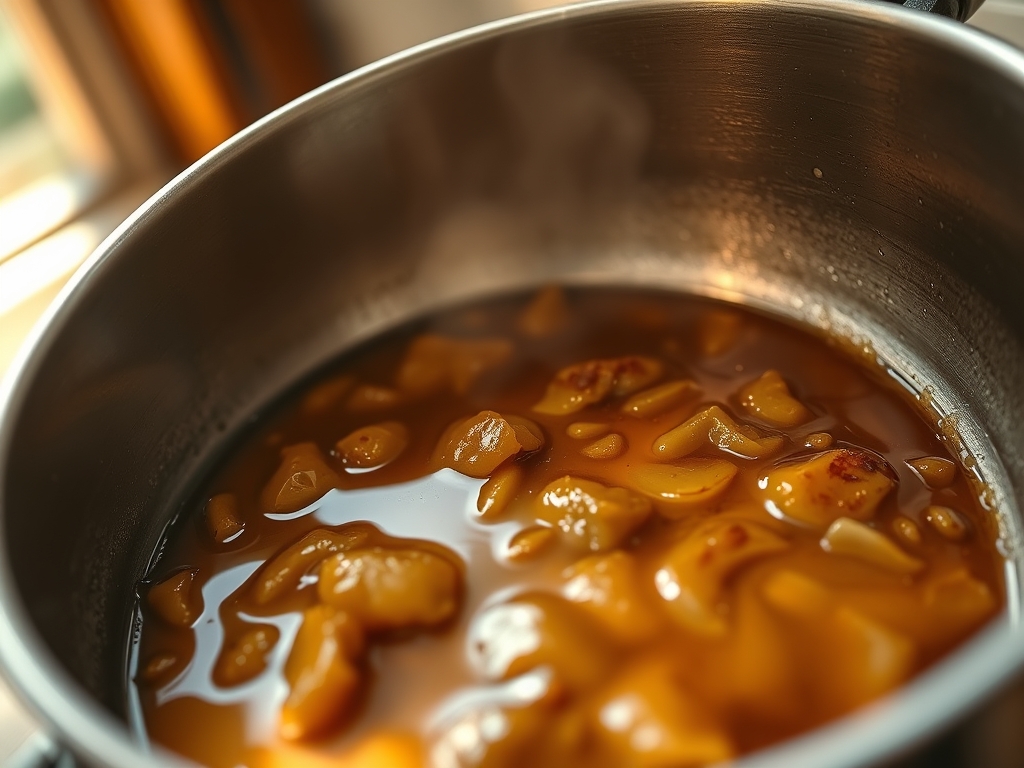
Begin by placing your softened butter and both sugars into the bowl of a stand mixer. Use the paddle attachment to cream the mixture on medium-high speed for exactly four minutes. You are looking for a pale; fluffy texture that indicates significant air incorporation.
Pro Tip: Use a digital scale to measure your ingredients rather than volume cups. Accuracy is the difference between a cookie that holds its shape and one that migrates across the pan. The creaming process creates the physical voids that the baking soda will later fill with carbon dioxide.
2. The Protein Integration
Add the eggs one at a time; followed by the vanilla extract. Beat on medium speed until the mixture is fully emulsified and no streaks of egg remain. This step builds the protein structure that will eventually trap the expanding gases during the bake.
Pro Tip: Ensure your eggs are at room temperature. Cold eggs will cause the butter to seize; breaking your emulsion and ruining the Cookie Spread Physics by creating uneven fat distribution. Use a rubber spatula to scrape the bottom of the bowl to ensure total homogeneity.
3. The Dry Phase Incorporation
Whisk your flour; baking soda; and salt in a separate bowl before adding them to the wet mixture. Turn the mixer to the lowest setting and mix only until the flour streaks disappear. Over-mixing at this stage develops excess gluten; which will turn your tender disk into a tough; bread-like puck.
Pro Tip: Use a bench scraper to fold in the chocolate couverture by hand. This prevents the mixer from breaking the chocolate shards and ensures that the delicate gluten network you have just formed remains intact.
4. The Cryogenic Stabilization
Scoop the dough into 50g spheres and place them on a tray. Cover with plastic wrap and refrigerate for a minimum of 24 hours. This is the "hydration phase" where the flour fully absorbs the moisture from the eggs and butter.
Pro Tip: Chilling the dough is non-negotiable for professional results. It solidifies the fats; ensuring that when the dough hits the oven; the edges set before the center melts. This creates the coveted "rippled" edge effect seen in high-end bakeries.
5. The Thermal Execution
Preheat your oven to 175C (350F). Space the chilled dough spheres at least three inches apart on a heavy-duty baking sheet. Bake for 10 to 12 minutes; or until the edges are deeply bronzed but the centers still appear slightly underdone.
Pro Tip: Use a perforated silicone baking mat if available. This allows for better airflow under the cookie; ensuring a crisp bottom and preventing the "soggy middle" syndrome. Rotate the pan halfway through the bake to compensate for oven hot spots.
Section B: Prep & Timing Fault-Lines:
The most common human error is the "Oven Peek." Opening the door prematurely drops the ambient temperature; stalling the Cookie Spread Physics and causing the cookies to collapse. Trust your timer. Another fault-line is the "Hot Pan Re-load." Never place fresh dough onto a baking sheet that is still warm from the previous batch. This will melt the bottom fats instantly; causing the cookies to spread into a thin; greasy sheet before they even enter the oven. Always use a secondary room-temperature sheet or wait for the first one to cool completely.
THE VISUAL SPECTRUM
Section C: Thermal & Visual Troubleshooting:
Look closely at the Masterclass photo. You should see a distinct "Bullseye" pattern: a dark; toasted tan on the outer rim; fading into a pale gold in the center. If your cookies are a uniform pale color; your oven temperature is likely too low; preventing the Maillard reaction. If the edges are burnt but the center is raw; your oven is too hot. If the cookies appear "puffy" rather than flat and rippled; you likely over-creamed the butter or used too much flour. The visual cues of a perfect bake include a "cracked" surface; which occurs when the leavening gases push through the setting crust. If your surface is smooth; your dough was likely too warm when it entered the oven.
THE DEEP DIVE
Macro Nutrition Profile:
Each 50g unit delivers approximately 240 calories. This breaks down into 12g of fat; 32g of carbohydrates; and 3g of protein. While not a health food; the high-quality fats provide sustained satiety compared to highly processed alternatives.
Dietary Swaps:
- Vegan: Replace butter with a high-fat plant-based block (minimum 80 percent fat) and use a flax-egg slurry (1 tbsp ground flax to 3 tbsp water).
- Keto: Substitute flour with almond flour and sugars with a monk fruit/erythritol blend. Note that Cookie Spread Physics will change; as alternative sugars do not caramelize at the same temperature.
- GF: Use a high-quality 1-to-1 gluten-free flour blend containing xanthan gum to provide the necessary structural elasticity.
Meal Prep & Reheating Science:
To maintain molecular structure; store baked cookies in an airtight container with a slice of white bread. The hygroscopic nature of the bread will donate moisture to the cookies; keeping them soft. To reheat; use a toaster oven at 150C for 3 minutes. Avoid the microwave; as it excites water molecules too rapidly; turning the starches gummy and the chocolate piquant but messy.
THE KITCHEN TABLE
Why are my cookies flat and greasy?
Your butter was likely too warm during the creaming stage or your oven temperature was too low. This allows the fat to liquefy and escape the dough structure before the flour proteins can solidify and trap it.
Can I bake the dough immediately?
You can; but you shouldn't. Skipping the 24-hour chill prevents the flour from fully hydrating. This results in a cookie that lacks flavor depth and has a disorganized; messy spread rather than a controlled; professional expansion.
What does the salt actually do?
Salt is a flavor "potentiator." It suppresses bitterness in the chocolate while highlighting the caramel notes of the browned sugars. Without it; the cookie tastes one-dimensional and cloying. Always use high-quality flaked sea salt for the best results.
Why use brown and white sugar?
White sugar provides crispness and promotes spreading. Brown sugar contains molasses; which is acidic and reacts with baking soda to create lift and chewiness. The combination is essential for the perfect structural balance.