Listen to that sound. It is not just a crunch; it is the structural collapse of a perfectly carbonized crust. If you are chasing the holy grail of Italian baking, you are not looking for bread; you are looking for a trapped gas event. We are talking about the slipper, the legendary ciabatta. This is where Ciabatta Hydration Data becomes the literal blueprint for your success. Most amateur bakers are terrified of wet dough. They see a sticky, viscous mess and reach for more flour. That is the first step toward a dense, disappointing brick. To achieve that iconic open crumb, you must embrace the chaos of high-water networks. We are aiming for a hydration level that pushes the limits of gluten strength. We are talking about 80 percent water to flour ratio or higher. This is not a recipe for the faint of heart. It is a technical audit of steam, protein bonds, and patience. Strap in, because we are about to turn your kitchen into a high-pressure laboratory of fermentation and heat.
THE DATA MATRIX
| Metric | Specification |
|---|---|
| Prep Time | 24 Hours (Includes Poolish) |
| Execution Time | 3 Hours |
| Yield | 2 Large Loaves |
| Complexity (1-10) | 8 |
| Estimated Cost per Serving | $0.45 |
THE GATHERS
Ingredient Protocol:
- Bread Flour (High Protein 12.5%+): 500g / 4 cups
- Filtered Water (Room Temp): 410ml / 1.75 cups
- Fine Sea Salt: 10g / 2 teaspoons
- Instant Yeast: 4g / 1.25 teaspoons
- Extra Virgin Olive Oil: 15ml / 1 tablespoon
- Semolina Flour (for dusting): 50g / 0.25 cups
Section A: Ingredient Quality Audit:
The primary failure point in high-hydration baking is low-protein flour. If your flour lacks the necessary protein content, the gluten network will fail to aerate and hold the massive CO2 bubbles produced during fermentation. If you notice your dough looks more like a pancake batter than a cohesive mass, your flour is likely weak. Fix this by adding 15g of vital wheat gluten to your dry mix. Another critical factor is water quality. Highly chlorinated tap water can inhibit yeast activity. Use filtered water to ensure your yeast performs at peak efficiency. Finally, ensure your salt is fine-grained. Large crystals will not dissolve properly in the viscous dough, leading to uneven seasoning and compromised gluten development.
THE MASTERCLASS
Step-by-Step Execution:
1. The Poolish Initialization
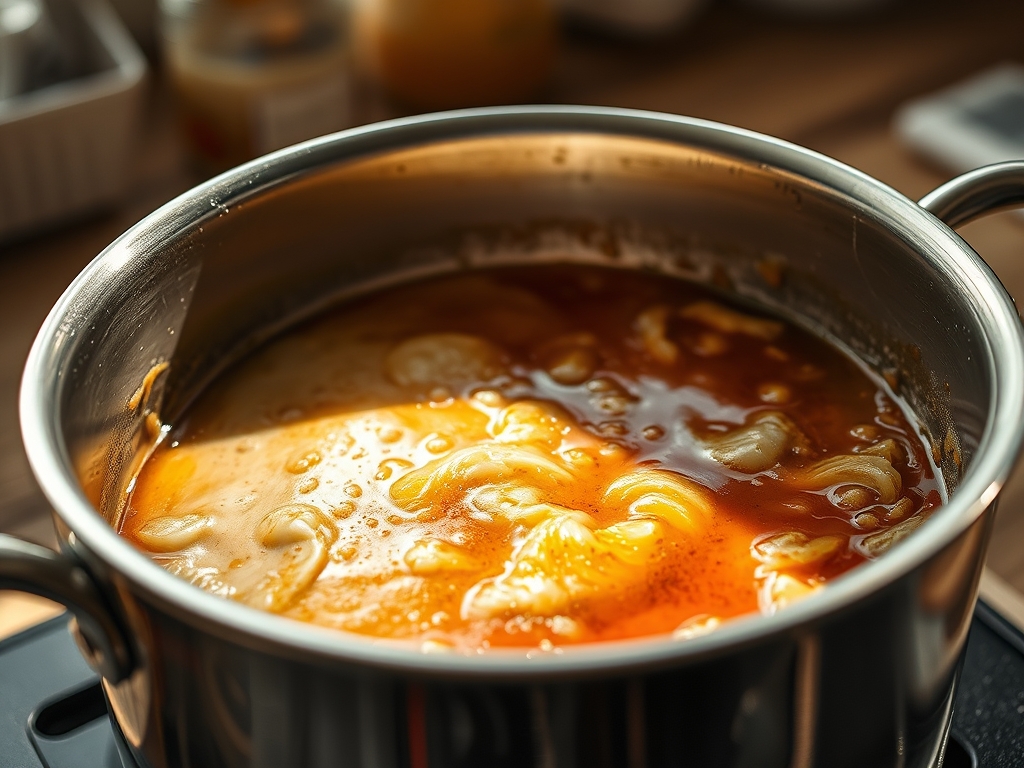
Combine 200g of flour, 200ml of water, and a pinch of yeast in a glass bowl. Stir until no dry clumps remain. Cover and let sit at room temperature for 12 to 16 hours. You are looking for a bubbly, fermented slurry that smells slightly piquant and sweet.
Pro Tip: Use a digital scale for this. Volumetric measurements are the enemy of consistency in fermentation. The poolish creates the foundational flavor and enzymatic activity needed for a superior crumb.
2. The Main Autolyse
Add the remaining flour and water to your poolish. Mix until a shaggy mass forms. Let this rest for 30 minutes. This process, known as autolyse, allows the flour to fully hydrate without the interference of salt or yeast, making the dough easier to handle later.
Pro Tip: Use a bench scraper to fold the dough over itself during this stage. It keeps your hands clean and prevents you from adding excess flour that would ruin your Ciabatta Hydration Data.
3. Incorporating the Catalyst
Add the salt, olive oil, and the remaining yeast. Use your fingertips to dimple the ingredients into the dough. Perform a series of "stretch and folds" every 30 minutes for the next two hours. You will feel the dough transform from a slack mess into a strong, elastic membrane.
Pro Tip: Wet your hands before touching the dough. Water acts as a natural non-stick coating, allowing you to manipulate the viscous mass without tearing the delicate gluten strands.
4. The Bulk Fermentation
Place the dough in a rectangular, oiled container. Let it rise until it has doubled in size and is filled with large, visible air pockets. Do not degas the dough. We want to preserve every cubic centimeter of gas produced by the yeast.
Pro Tip: A clear plastic dough tub with liter markings is an essential professional tool here. It allows you to track the exact volume increase, removing the guesswork from the fermentation audit.
5. Shaping and Final Proof
Gently tip the dough onto a heavily floured surface. Use your bench scraper to cut the dough into two rectangular loaves. Do not shape them into balls; simply nudge them into a "slipper" shape. Transfer to a well-floured linen couche for a final 45-minute proof.
Pro Tip: Dust the top of the dough with semolina. This provides a structural heat shield and adds a professional, rustic texture to the finished crust.
6. The Thermal Blast
Preheat your oven to 475 degrees Fahrenheit with a baking stone inside. Carefully transfer the loaves onto the hot stone. Toss a cup of water into a preheated cast iron skillet at the bottom of the oven to create a burst of steam. Bake for 20 to 25 minutes.
Pro Tip: Steam is the secret to the Maillard reaction in bread. It keeps the surface moist, allowing the dough to expand fully before the crust sets, resulting in those massive internal holes.
Section B: Prep & Timing Fault-Lines:
The most common human error is rushing the fermentation. If the room is cold, the yeast will move at a snail's pace. Use a digital probe thermometer to check your dough temperature; it should ideally be between 75 and 78 degrees Fahrenheit. If your kitchen is a refrigerator, place the dough in an "off" oven with the light turned on. Conversely, over-proofing will lead to a structural collapse in the oven. If the dough looks like it is starting to deflate or loses its surface tension, get it into the heat immediately. Timing is everything when managing high-water networks.
THE VISUAL SPECTRUM
Section C: Thermal & Visual Troubleshooting:
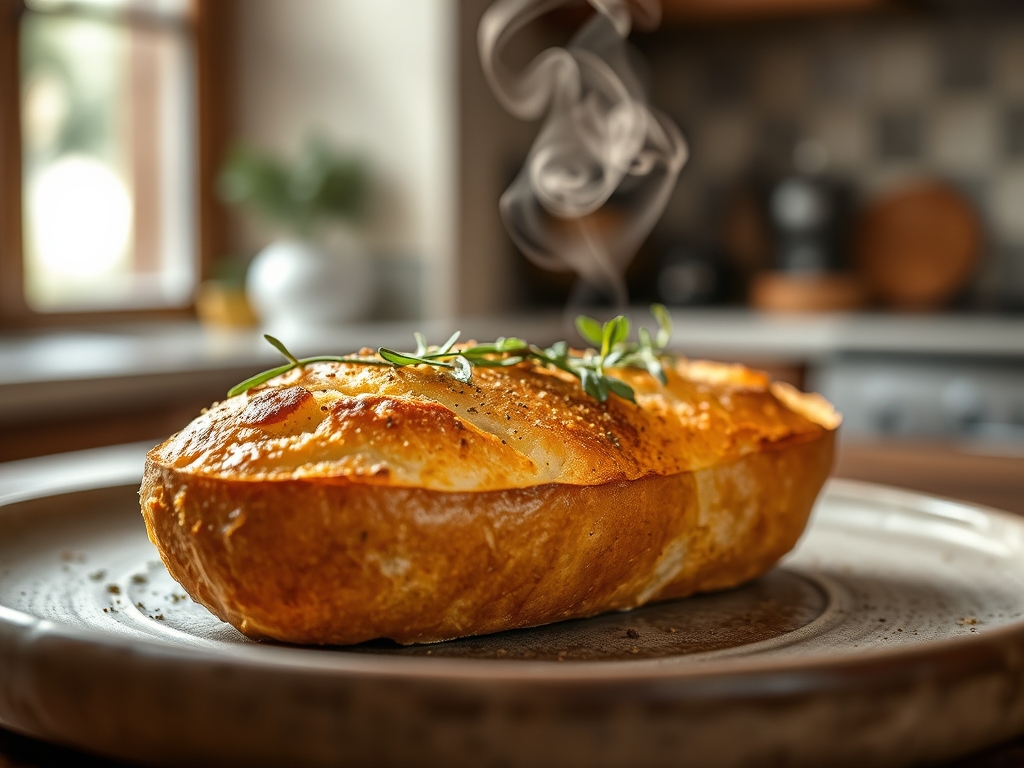
Look at the Masterclass photo. Notice the deep, variegated browning and the translucent "gelatinized" look of the interior crumb. If your bread is pale, you likely lacked steam or your oven temperature was too low. If the crust is hard but the inside is gummy, you did not bake it long enough to render the internal moisture. A perfect ciabatta should feel surprisingly light for its size; it is mostly air, after all. If the holes are small and uniform, you over-handled the dough during shaping, effectively popping the bubbles you spent 24 hours cultivating. The visual cue for success is a "shatter-crisp" crust that gives way to a soft, hole-riddled interior.
THE DEEP DIVE
Macro Nutrition Profile
Per serving (approx. 1/8 of a loaf): 180 Calories, 35g Carbohydrates, 6g Protein, 2g Fat. While high in carbs, the long fermentation process breaks down complex starches, making it easier on the digestive system than quick-rise commercial breads.
Dietary Swaps
- Vegan: This recipe is naturally vegan. Ensure your sugar (if used to bloom yeast) is bone-char free.
- Keto: High-hydration ciabatta is fundamentally incompatible with Keto. Consider a cauliflower-based focaccia instead.
- Gluten-Free: Use a high-quality GF bread flour blend with added xantham gum, but be prepared for a much denser crumb; gluten is the primary architect of the "large hole" structure.
Meal Prep & Reheating Science
To maintain the molecular structure, never refrigerate ciabatta. The cold accelerates starch retrogradation, turning your bread stale and brittle. Store at room temperature in a paper bag for 48 hours. To reheat, spritz the crust with water and place in a 350-degree oven for five minutes. This re-gelatinizes the starches and restores the crunch without drying out the interior.
THE KITCHEN TABLE
Why is my dough so sticky?
High hydration dough is naturally sticky. Do not add flour. Instead, use wet hands and a bench scraper. The stickiness is a sign that the Ciabatta Hydration Data is correct for creating a large-hole structure.
Can I use All-Purpose flour?
You can, but the results will be inferior. All-purpose flour lacks the protein strength to support the massive air bubbles. Your bread will likely be flatter and have a tighter, more "sandwich-bread" like crumb.
What if I don't have a baking stone?
Use an inverted heavy baking sheet. Preheat it for at least 30 minutes. The goal is massive thermal mass to kickstart the "oven spring," which is the rapid expansion of gas in the first minutes of baking.
How do I get bigger holes?
Handle the dough as little as possible after the bulk rise. Every time you touch it, you risk collapsing the delicate CO2 pockets. Think of the dough as a fragile balloon that you are gently nudging.
Why did my loaf flatten out?
This usually indicates over-proofing or weak gluten. Ensure you are performing enough "stretch and folds" during the initial fermentation to build the structural integrity needed to hold the weight of the water.