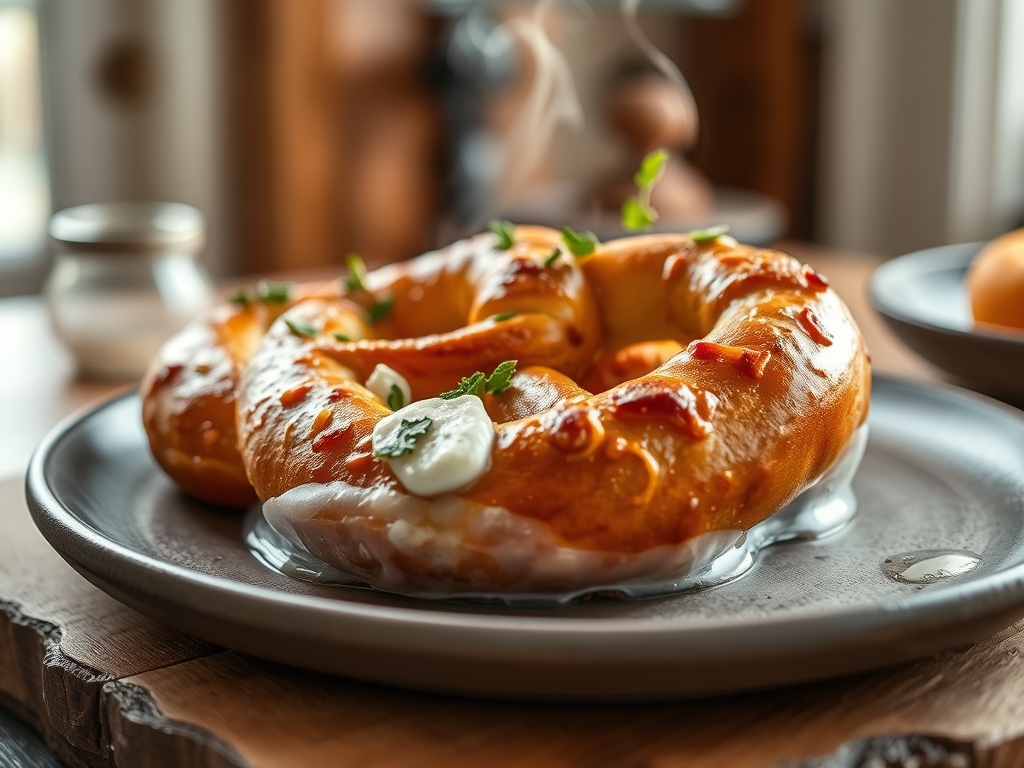
Forget everything you know about the lackluster, pale, and doughy imitations found in shopping mall food courts. We are entering the realm of high-performance crust engineering. To achieve that signature mahogany sheen and the specific, sharp aroma of a professional bakery, you must embrace the chemistry of a Soft Pretzel Lye Bath. This is not a suggestion; it is a fundamental requirement for the Maillard reaction to reach its peak potential. When dough hits a caustic solution of sodium hydroxide, the pH level on the surface skyrockets. This alkalinity breaks down proteins into amino acids and sugars into smaller molecules, allowing them to recombine under heat at a blistering pace. The result is a crust that is shatteringly thin yet resilient, housing an interior that remains pillowy and tender. We are not just baking bread; we are managing a chemical transformation that turns humble flour into a deep, umami-rich masterpiece. Prepare your station. This process requires precision, safety, and an uncompromising commitment to the scientific method of browning.
THE DATA MATRIX
| Metric | Specification |
|---|---|
| Prep Time | 90 Minutes (Includes Proofing) |
| Execution Time | 25 Minutes |
| Yield | 8 Large Pretzels |
| Complexity (1-10) | 8 (Due to chemical handling) |
| Estimated Cost per Serving | $0.45 |
THE GATHERS
Ingredient Protocol:
- 500g / 4 cups Bread Flour (High protein content is non-negotiable)
- 300ml / 1.25 cups Warm Water (Targeting 43C / 110F)
- 10g / 2 tsp Fine Sea Salt
- 15g / 1 tbsp Diastatic Malt Powder (For enzymatic browning)
- 7g / 2.25 tsp Active Dry Yeast
- 30g / 2 tbsp Unsalted Butter (Softened)
- 30g / 2 tbsp Food-Grade Lye Beads (For the Soft Pretzel Lye Bath)
- 1L / 4 cups Cold Water (For the lye solution)
- Coarse Pretzel Salt (For the finishing aesthetic)
Section A: Ingredient Quality Audit:
If your dough feels viscous and sticky rather than elastic, your flour likely lacks the necessary protein infrastructure. Switch to a high-gluten bread flour to ensure the network can withstand the caustic dip. If the yeast fails to aerate the mixture within ten minutes of blooming, your water temperature was either too cold to wake the microbes or hot enough to terminate them. Use a digital thermometer to verify the 43C threshold. Finally, if you lack diastatic malt powder, your crust will lack depth. You can substitute brown sugar, but you lose the enzymatic breakdown that creates that professional, bakery-grade crumb.
THE MASTERCLASS
Step 1: The Molecular Foundation
Combine the warm water, yeast, and malt powder in the bowl of a stand mixer. Let it sit until foamy. Add the flour, sea salt, and softened butter. Use the dough hook attachment to knead the mass on medium speed for seven minutes until the dough pulls away from the sides and passes the windowpane test.
Pro Tip: Use a digital scale for all measurements. Volume is the enemy of consistency; mass is the only metric that guarantees the specific hydration levels required for a dense, chewy pretzel interior.
Step 2: The Primary Proof and Partition
Place the dough in a lightly oiled bowl and cover. Allow it to rise in a warm environment until doubled in size. Once risen, use a bench scraper to divide the dough into eight equal portions, roughly 110g each. Roll each portion into a long, tapered rope and twist into the iconic pretzel knot.
Pro Tip: Do not over-flour your work surface. A slight amount of friction is necessary to render the dough into a smooth, tight rope without it sliding aimlessly across the counter.
Step 3: The Cold Stabilization
Place the shaped pretzels on a parchment-lined tray and refrigerate, uncovered, for 30 to 60 minutes. This step creates a "skin" on the dough, which prevents the pretzel from becoming waterlogged during the bath and ensures a smooth, glossy finish.
Pro Tip: This cold environment allows the yeast to slow down while the enzymes continue to infuse the dough with complex sugars, leading to superior flavor development.
Step 4: The Caustic Immersion
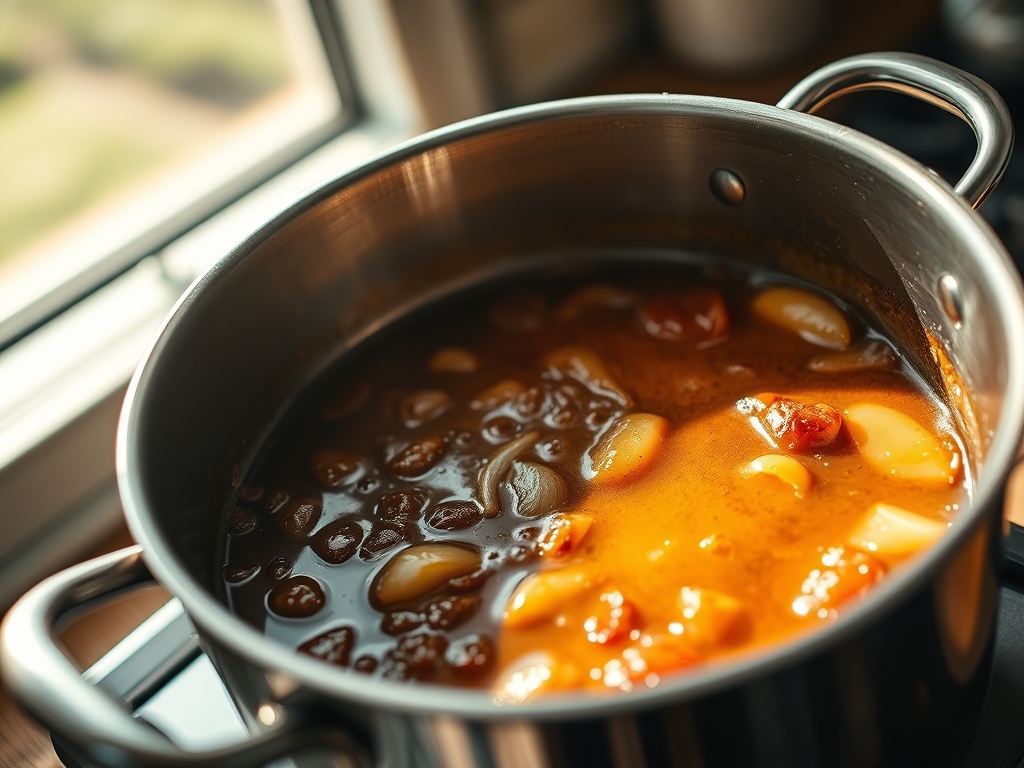
Wearing gloves and eye protection, carefully dissolve the lye beads into the cold water in a stainless steel or glass bowl. Never add water to lye; always add lye to water. Submerge each chilled pretzel into the Soft Pretzel Lye Bath for exactly 30 seconds per side. Use a stainless steel slotted spoon to remove them.
Pro Tip: Use a saucier or deep stainless bowl for the bath. Avoid aluminum at all costs; lye reacts violently with aluminum, which will ruin your cookware and contaminate your pretzels with a metallic aftertaste.
Step 5: The Thermal Transformation
Immediately sprinkle the wet pretzels with coarse salt. Score the thickest part of the bottom curve with a sharp blade. Bake at 220C (425F) for 12 to 15 minutes until the exterior reaches a deep, dark mahogany color.
Pro Tip: The scoring allows for controlled expansion. Without it, the steam will force the dough to burst at the weakest point, ruining the structural symmetry of your bake.
Section B: Prep & Timing Fault-Lines:
The most common failure in this protocol is timing the bath. If the dough stays in the lye for more than 45 seconds, the exterior will develop a soapy, chemical flavor. Conversely, skipping the cold-skin phase results in a "wrinkled" pretzel that looks more like a raisin than a professional snack. Ensure your oven is fully preheated for at least 30 minutes; a drop in temperature when the door opens will prevent the rapid crust setting required for that signature snap.
THE VISUAL SPECTRUM
Section C: Thermal & Visual Troubleshooting:
Referencing the Masterclass photo, notice the high-contrast white "split" where the dough was scored. If your pretzels lack this contrast, you likely over-proofed them, or your oven temperature was too low. If the surface appears dull rather than glossy, your lye concentration was too weak or the water was too warm. A perfect specimen should have a uniform, dark brown finish with no spotting. Spotting usually indicates that the lye beads were not fully dissolved before the immersion began.
THE DEEP DIVE
Macro Nutrition Profile:
Each 110g pretzel contains approximately 320 calories, 62g of carbohydrates, 9g of protein, and 4g of fat. While high in sodium due to the surface treatment, the lack of sugar makes this a superior complex carbohydrate source compared to standard white breads.
Dietary Swaps:
For a vegan iteration, ensure your butter is a high-quality plant-based fat with low water content. For gluten-free requirements, use a specialized GF bread flour blend with xanthan gum; however, be aware that the lack of gluten infrastructure makes the "twist" shape difficult to maintain.
Meal Prep & Reheating Science:
To maintain the molecular structure, freeze baked pretzels individually in airtight bags. Reheat in a 175C (350F) oven for 5 minutes. Avoid the microwave; it excites water molecules in a way that turns the crust from "snap" to "leather" in seconds.
THE KITCHEN TABLE
Why use lye instead of baking soda?
Baking soda has a lower pH, resulting in a golden-brown color and a metallic "pretzel-lite" flavor. Lye provides the authentic, deep mahogany crust and the distinct alkaline tang that defines a true Bavarian pretzel.
Is food-grade lye safe to consume?
Yes. During the baking process, the heat reacts with the sodium hydroxide and the carbon dioxide in the oven to transform the lye into harmless sodium carbonate. It is chemically neutralized by the time you take a bite.
Can I reuse the lye bath solution?
You can reuse the solution for several batches within the same day. However, as dough particles and flour accumulate, the solution becomes less effective. For the most consistent results, always start with a fresh, precise mixture.
What if I don't have a stand mixer?
You can knead by hand, but it requires significant stamina. You must work the dough for at least 15 minutes to develop the gluten strength necessary to survive the lye immersion without collapsing or losing its shape.