Listen to the roar of the fryer. That rhythmic, bubbling hiss is the sound of a structural transformation occurring at the molecular level. We are not merely frying dough; we are engineering a pressurized gas chamber wrapped in a golden, glutenous lattice. Welcome to the high-stakes world of the New Orleans square. When the dough hits the 370-degree oil, the moisture inside flashes into steam, forcing the elastic dough to inflate like a high-velocity airbag. This is the phenomenon of Beignet Air Expansion. If your dough is too heavy, it sinks like a lead weight; if it is too thin, it shatters. We are looking for that sweet spot of structural integrity where the exterior achieves a shattering crispness while the interior remains a hollow, pillowy void. This is culinary architecture at its most volatile. We are balancing hydration, yeast activity, and thermal shock to create a vessel for powdered sugar that defies the laws of gravity. Prepare your workspace; we are about to audit the very air you breathe.
THE DATA MATRIX
| Metric | Specification |
|---|---|
| Prep Time | 25 hours (includes overnight proof) |
| Execution Time | 20 minutes |
| Yield | 24-30 Squares |
| Complexity (1-10) | 7 |
| Estimated Cost per Serving | $0.45 |
THE GATHERS
Ingredient Protocol:
- 360ml / 1.5 cups Lukewarm Water (approx. 105F).
- 100g / 0.5 cup Granulated Sugar.
- 7g / 1 packet Active Dry Yeast.
- 1 large Egg, room temperature.
- 240ml / 1 cup Evaporated Milk.
- 840g / 7 cups All-Purpose Flour (plus extra for dusting).
- 115g / 0.5 cup Shortening or Lard.
- 5g / 1 tsp Fine Sea Salt.
- 2L / 0.5 gallon Cottonseed or Vegetable Oil for frying.
- 500g / 4 cups Confectioners' Sugar for the final coating.
Section A: Ingredient Quality Audit:
Sub-par raw materials are the primary cause of structural failure in Beignet Air Expansion. If your yeast is sluggish, your dough will fail to aerate, resulting in a dense, oily brick rather than a hollow square. Always verify yeast activity in warm water before proceeding; if it does not foam within five minutes, discard it. Furthermore, the protein content of your flour is critical. Using cake flour will result in a weak gluten network that cannot contain the internal steam pressure. If your dough feels too viscous or sticky, do not panic and dump in cups of flour. Instead, use a digital scale to ensure your hydration ratio remains at approximately 65 percent. If using butter instead of shortening, be aware that the water content in butter can alter the crumb structure; shortening provides a cleaner, more neutral fat profile that allows the Maillard reaction to shine without the risk of burning milk solids.
THE MASTERCLASS
1. The Yeast Activation Protocol
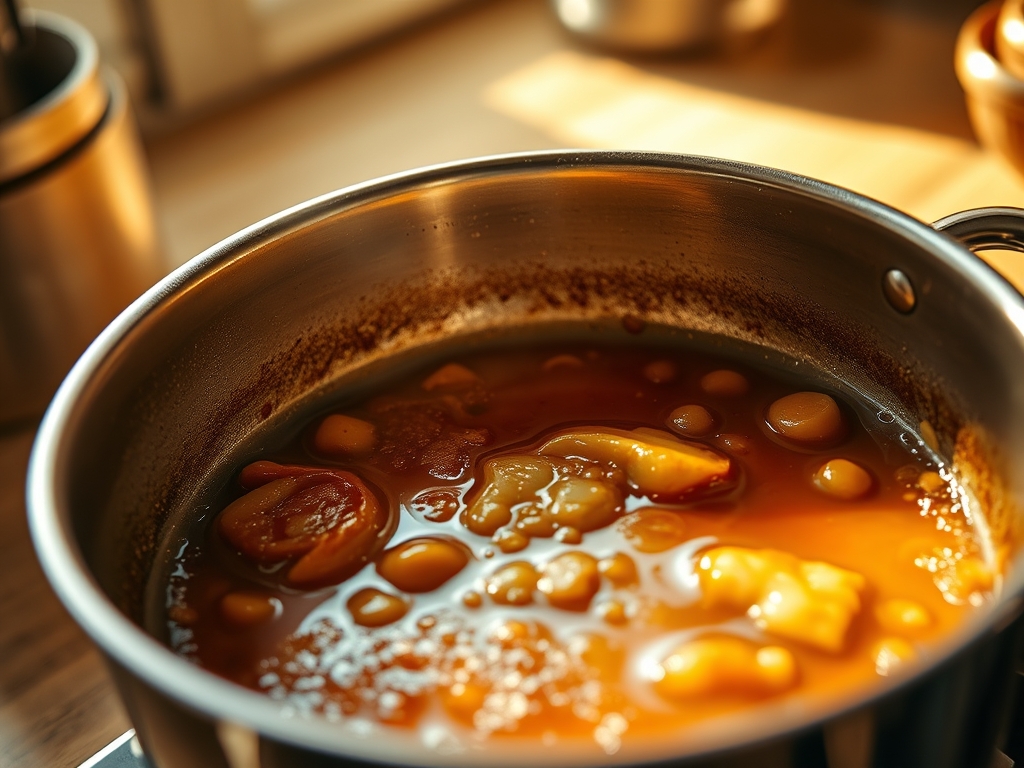
Combine the warm water, sugar, and yeast in the bowl of a stand mixer. Let it sit until a frothy head develops.
Pro Tip: Use an infrared thermometer to ensure the water is exactly 105 degrees Fahrenheit. Anything higher will kill the yeast; anything lower will fail to trigger the metabolic surge required for rapid expansion.
2. Emulsifying the Liquid Base
Whisk the egg and evaporated milk together in a separate saucier or bowl before adding them to the yeast mixture.
Pro Tip: Evaporated milk provides a higher concentration of lactose and protein than standard milk, which accelerates the browning process and creates a richer, more infuse-ready crumb.
3. The Gluten Integration
Add half the flour and the salt, mixing with a dough hook until smooth. Incorporate the shortening, then gradually add the remaining flour.
Pro Tip: Use a bench scraper to clear the sides of the bowl. You want a dough that is tacky but not sticky; over-mixing at this stage will develop too much gluten, making the beignets tough rather than tender.
4. The Cryogenic Proof
Place the dough in a greased container and refrigerate for at least 2 hours, though 24 hours is optimal for flavor development.
Pro Tip: Cold fermentation slows down the yeast, allowing organic acids to develop. This creates a more piquant flavor profile and makes the dough easier to roll and cut into precise squares.
5. The Geometry of Heat
Roll the dough to 1/4-inch thickness on a floured surface. Cut into 2-inch squares using a pizza cutter or a sharp knife.
Pro Tip: Do not let the cut squares proof again on the counter for too long. You want the dough to be cool when it hits the oil to maximize the thermal shock that drives Beignet Air Expansion.
6. The Deep Fry Deployment
Heat your oil to 370 degrees Fahrenheit in a heavy-bottomed Dutch oven. Drop three squares at a time, splashing oil over the tops as they rise.
Pro Tip: Use a long-handled spider skimmer to flip the beignets the moment they puff. Continuous movement ensures even heat distribution and prevents the formation of large, unsightly oil pockets.
Section B: Prep & Timing Fault-Lines:
Timing is the silent killer of the perfect beignet. If the oil temperature drops below 350 degrees, the dough will absorb fat like a sponge, destroying the light, airy texture. If the oil exceeds 380 degrees, the exterior will render a dark brown before the interior has a chance to expand. Always use a probe thermometer to monitor the oil between batches. Another common fault-line is the "skin" that forms on dough left out too long; this skin acts as a barrier, preventing the dough from stretching and limiting the total volume of your Beignet Air Expansion.
THE VISUAL SPECTRUM
Section C: Thermal & Visual Troubleshooting:
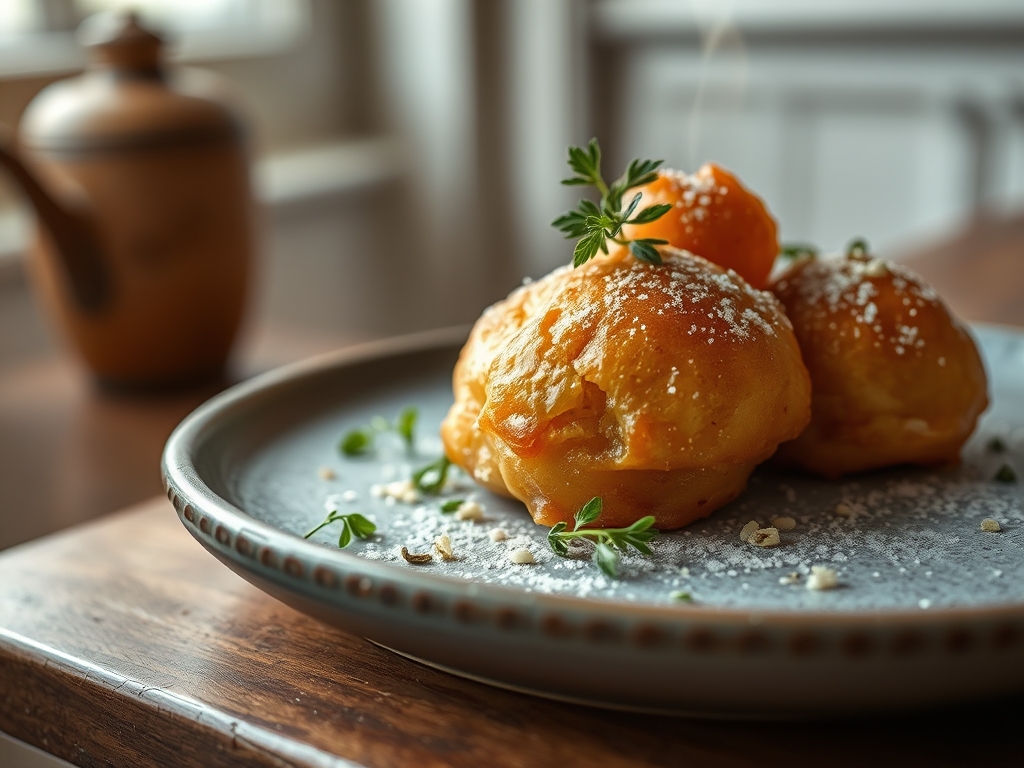
Examine the Masterclass photo above. Notice the "pillowing" effect; the center of the square is significantly higher than the edges. If your beignets are coming out flat, your dough was likely rolled too thin or your yeast was dead. If the color is a dull, matte tan rather than a vibrant, golden orange, your oil is likely old or the pH of your dough is too acidic. A perfect beignet should have a uniform, micro-blistered surface. These blisters are tiny pockets of steam that have pushed through the surface layer. If you see large, dark spots, it means there were air bubbles trapped in the dough during the rolling process; use a bench scraper to firmly degas the dough before your final cut.
THE DEEP DIVE
Macro Nutrition Profile:
A single 2-inch beignet contains approximately 140 calories, 18g of carbohydrates, 6g of fat, and 3g of protein. The majority of the caloric density comes from the refined flour and the frying medium. While not a health food, the "hollow" nature of a properly executed beignet means you are consuming more air than mass.
Dietary Swaps:
For a Vegan iteration, substitute the egg with a flax-meal slurry and use coconut milk in place of evaporated milk. For a Gluten-Free version, a high-quality 1-to-1 flour blend with added xantham gum is necessary to provide the elasticity required for expansion. Keto beignets are notoriously difficult as they lack the starch necessary for the steam-expansion cycle; however, almond flour and mozzarella (fathead dough) can provide a similar, albeit denser, visual result.
Meal Prep & Reheating Science:
Beignets are best consumed within minutes of frying. However, if you must store them, do not powder them first. Store in an airtight container at room temperature. To reheat, use an air fryer at 350 degrees for 2 minutes. This will render any surface moisture and restore the crispness of the crust without toughening the interior.
THE KITCHEN TABLE
Why are my beignets heavy and oily?
Your oil temperature was likely too low. When the oil is under 350 degrees, the dough absorbs fat before the steam can create the internal pressure needed for Beignet Air Expansion. Always monitor your heat with a digital thermometer.
Can I bake these instead of frying?
Technically, yes, but you will be making rolls, not beignets. The rapid heat transfer of hot oil is required to flash-boil the internal moisture, which is the mechanical force behind the signature hollow center.
Why did my dough not rise in the fridge?
Check your yeast's expiration date or the temperature of the water used during activation. If the water was over 115 degrees, you likely neutralized the yeast. Cold proofing should still show a visible 50 percent increase in volume.
How much powdered sugar is too much?
In the world of professional beignets, there is no such thing. The sugar should be applied while the beignets are still hot so the first layer melts slightly, creating a "glue" for the subsequent snowy layers.