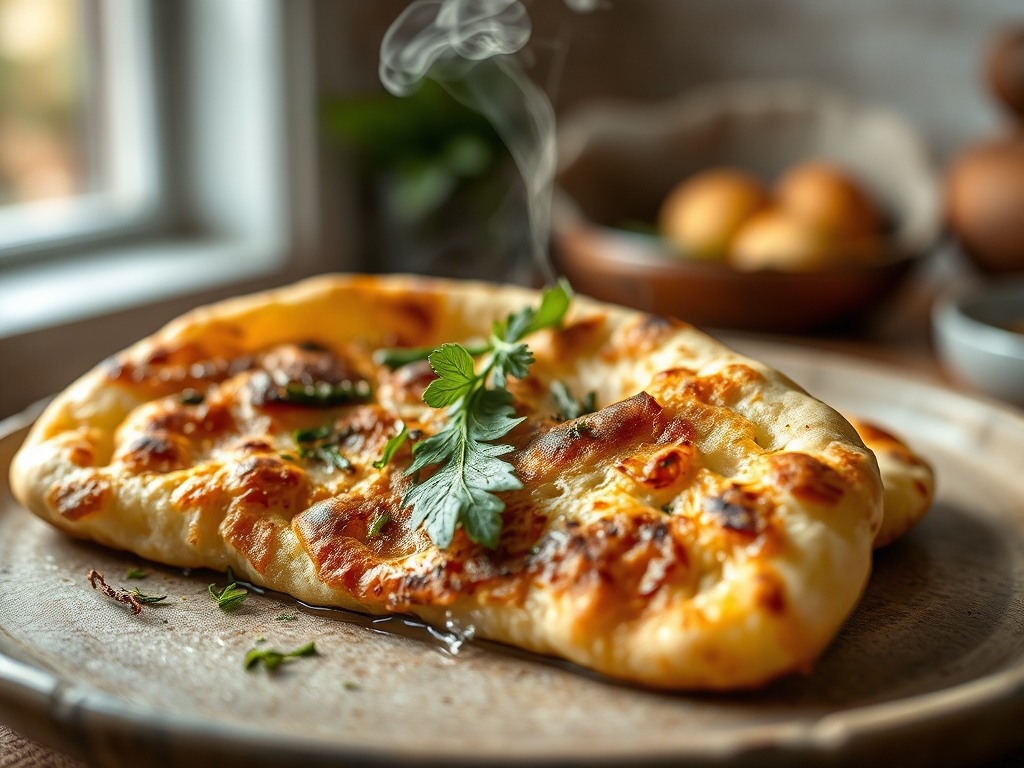
Imagine the roar of a five hundred degree furnace as it collides with a cold slab of leavened dough. This is not mere cooking; it is a violent, beautiful thermal exchange. When the dough hits the scorching wall of a tandoor, the moisture within the gluten structure instantly converts to steam, forcing the surface to expand into those iconic, charred bubbles. We call this Naan Bread Blistering. It is the gold standard of flatbread engineering. A perfect naan must possess a dual identity: it should be pillowy and soft enough to fold around a piquant curry, yet crisp enough to shatter slightly at the edges. Without that distinct blistering, you are just eating a dense pancake. To achieve this, we must manipulate hydration levels and radiant heat with surgical precision. We are looking for that leopard-spotted char that signals the Maillard reaction has reached its peak. If your kitchen smells like toasted yeast and caramelized sugars, you are on the right track. Let us audit your infrastructure and optimize your output.
THE DATA MATRIX
| Metric | Specification |
|---|---|
| Prep Time | 20 Minutes (plus 2 hours proofing) |
| Execution Time | 15 Minutes |
| Yield | 6 Large Flatbreads |
| Complexity | 6 / 10 |
| Estimated Cost per Serving | $0.45 |
THE GATHERS
Ingredient Protocol:
- 500g / 4 cups All-Purpose Flour (High protein preferred)
- 7g / 2.25 tsp Active Dry Yeast
- 10g / 2 tsp Granulated Sugar
- 120ml / 0.5 cup Warm Water (approx. 105F)
- 120g / 0.5 cup Full-Fat Greek Yogurt (room temperature)
- 60ml / 4 tbsp Ghee or Melted Unsalted Butter
- 5g / 1 tsp Fine Sea Salt
- 30ml / 2 tbsp Nigella Seeds or Fresh Cilantro (optional garnish)
Section A: Ingredient Quality Audit:
If your yeast fails to aerate the mixture, check the expiration date immediately. Dead yeast is the primary cause of dense, leaden bread. If the dough feels too viscous and refuses to hold its shape, your flour likely has a low protein content; fix this by adding a tablespoon of vital wheat gluten. If the yogurt is too acidic, it can weaken the gluten network. Always use a high-quality, thick Greek yogurt to ensure the fat content helps render a soft crumb. If your water is chlorinated, it may inhibit yeast activity; use filtered water for a more robust rise.
THE MASTERCLASS
Step 1: The Yeast Activation Phase
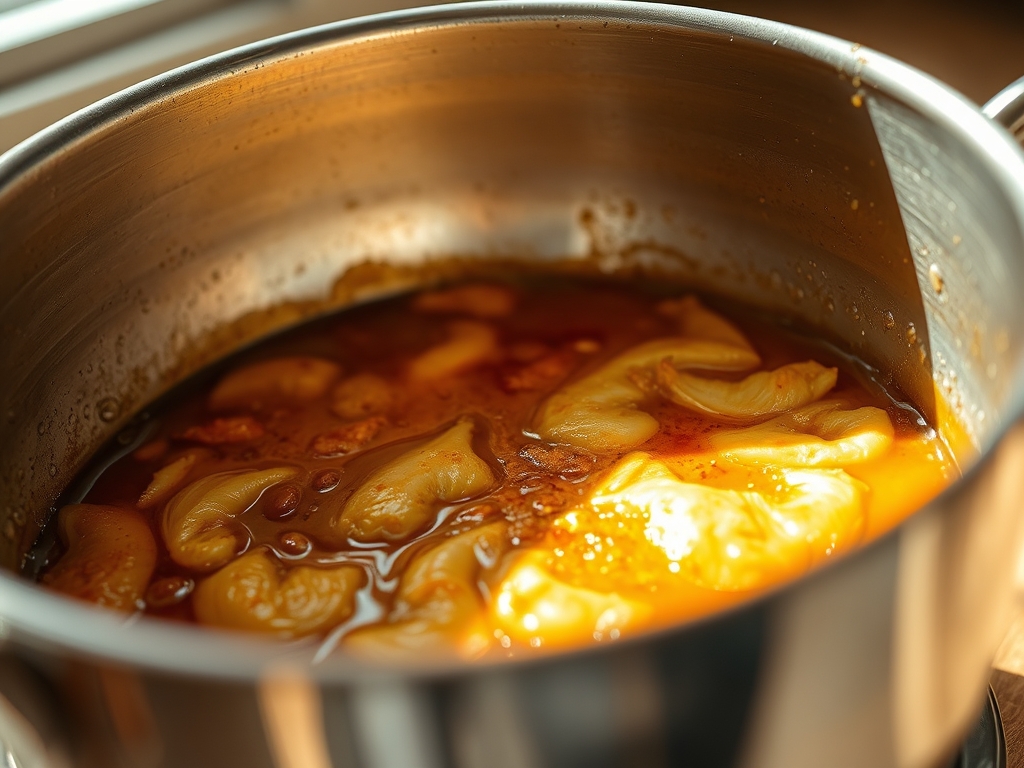
Combine the warm water, sugar, and yeast in a small bowl. Let it sit for ten minutes until a thick foam forms on the surface. This proves the yeast is alive and ready to work.
Pro Tip: Use a digital scale to measure your water temperature. If it exceeds 115F, you will kill the yeast cells; if it is below 95F, the activation will be sluggish.
Step 2: Integrating the Wet Infrastructure
In a large mixing bowl, whisk the yogurt and melted ghee until the mixture is smooth. Add the activated yeast slurry and stir to combine.
Pro Tip: Use a saucier or small pan to melt your ghee gently. Do not let it boil, as overheating the fat can negatively impact the final texture of the dough.
Step 3: The Gluten Synthesis
Gradually incorporate the flour and salt into the wet ingredients. Once a shaggy mass forms, move it to a clean surface and knead for eight to ten minutes. The dough should be smooth and slightly tacky but not sticky.
Pro Tip: A bench scraper is your best friend here. Use it to clear the work surface and keep the dough moving without adding excessive amounts of extra flour.
Step 4: The Bulk Fermentation
Place the dough in a lightly oiled bowl and cover it with a damp cloth. Let it rise in a warm, draft-free environment for two hours or until it has doubled in volume.
Pro Tip: To speed up the process, place the bowl inside an oven that is turned off but has the light on. The ambient heat from the bulb creates a perfect proofing chamber.
Step 5: Shaping and High-Heat Execution
Divide the dough into six equal portions. Roll each into an oval shape about a quarter-inch thick. Heat a heavy cast-iron skillet over high heat until it begins to smoke slightly. Lay the dough onto the dry pan.
Pro Tip: To achieve maximum Naan Bread Blistering, lightly spritz the top of the dough with water before flipping. This creates a localized steam pocket that forces the dough to puff.
Section B: Prep & Timing Fault-Lines:
The most common error is rushing the proofing stage. If the dough has not sufficiently fermented, it will lack the carbon dioxide needed to create large blisters. Furthermore, if your pan is not hot enough, the bread will dry out before it browns, resulting in a texture similar to cardboard. Always use a laser thermometer to ensure your cooking surface has reached at least 450F. If the dough shrinks back when you try to roll it, the gluten is too tight; let it rest for another ten minutes to relax.
THE VISUAL SPECTRUM
Section C: Thermal & Visual Troubleshooting:
Look at the Masterclass photo above. Notice the deep, dark spots contrasted against the pale, creamy dough. If your naan is a uniform golden brown, you are lacking the "leopard spotting" that defines the style. This usually means your heat source is too low or your dough is too dry. If the blisters are small and numerous rather than large and dramatic, your dough was likely overworked or under-hydrated. If the bread looks dull, you have skipped the final fat application. Always brush the finished bread with melted butter or ghee immediately after it leaves the heat to infuse it with moisture and shine.
THE DEEP DIVE
Macro Nutrition Profile:
A single serving of this naan contains approximately 280 calories, 8g of fat, 45g of carbohydrates, and 7g of protein. The inclusion of Greek yogurt adds a slight protein boost and provides beneficial probiotics, though many of these are neutralized during the high-heat bake.
Dietary Swaps:
- Vegan: Replace the yogurt with an unsweetened soy or coconut yogurt and use avocado oil instead of ghee.
- Keto: This is a high-carb infrastructure by nature. For a low-carb alternative, utilize almond flour and xanthan gum, though you will sacrifice the traditional blistering.
- Gluten-Free: Use a high-quality 1:1 gluten-free baking flour. Note that the lack of gluten will result in a less chewy texture.
Meal Prep & Reheating Science:
To maintain the molecular structure, do not microwave leftover naan. This causes the starch molecules to recrystallize and become rubbery. Instead, wrap the bread in foil and heat in a 350F oven for five minutes, or flash-fry it in a dry pan for sixty seconds per side to restore the crispness of the blisters.
THE KITCHEN TABLE
Why is my naan not bubbling?
Your pan is likely not hot enough. The dough needs an immediate thermal shock to convert internal moisture into steam. Ensure you are using a heavy-bottomed skillet, like cast iron, which retains heat effectively.
Can I bake these in a standard oven?
Yes, but use a pizza stone or an inverted baking sheet. Pre-heat the oven to its maximum setting for at least thirty minutes. The goal is to mimic the intense radiant heat of a tandoor.
Why is my dough so sticky and hard to handle?
High hydration is good for blistering, but if it is unmanageable, your flour may have low absorption. Dust your hands with flour, but avoid over-incorporating it into the dough, which leads to toughness.
How do I get the garlic to stay on the bread?
Brush the naan with ghee immediately after cooking, then press minced garlic and cilantro into the surface. The residual heat will slightly mellow the garlic and help the garnish adhere to the fat.