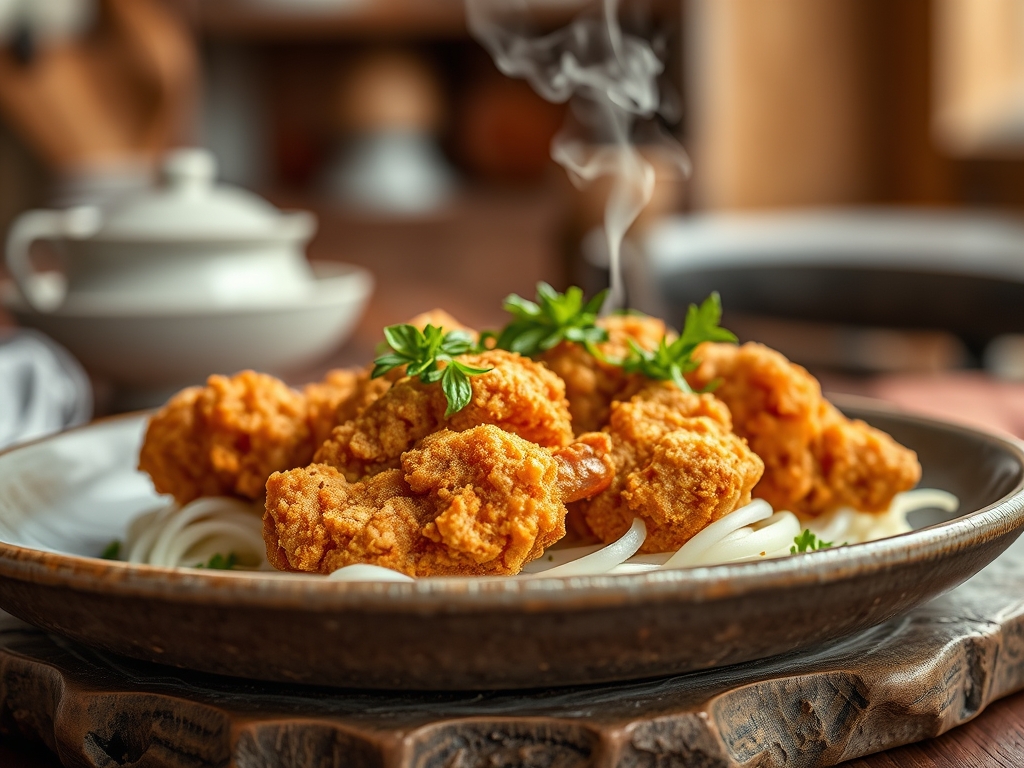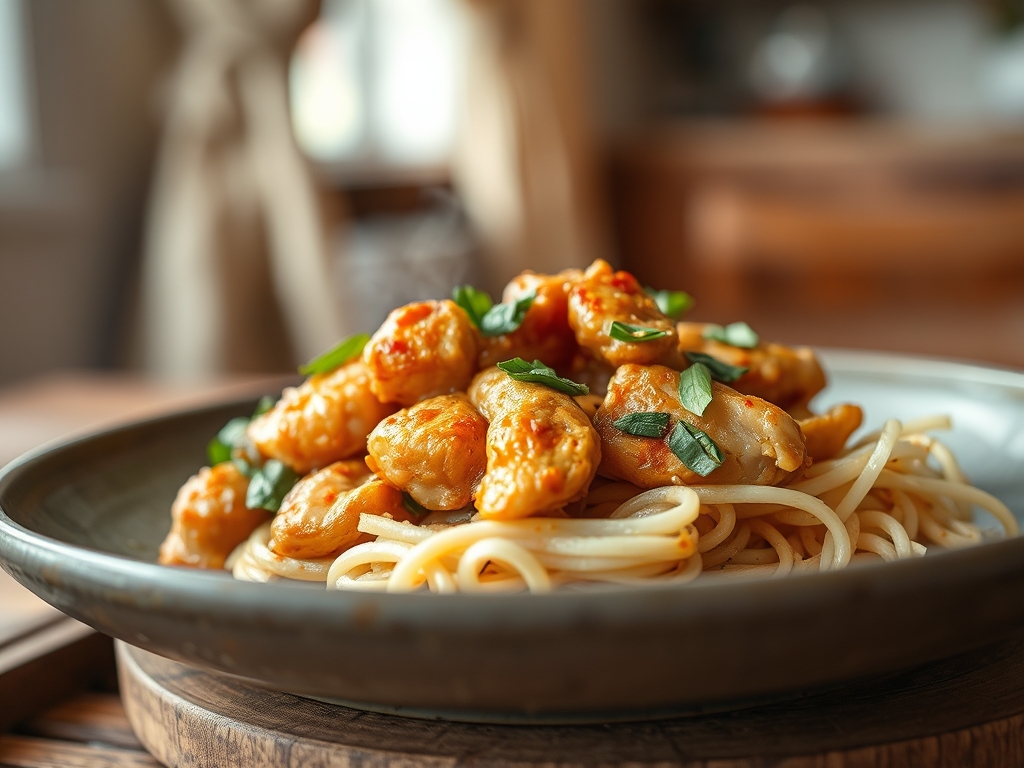
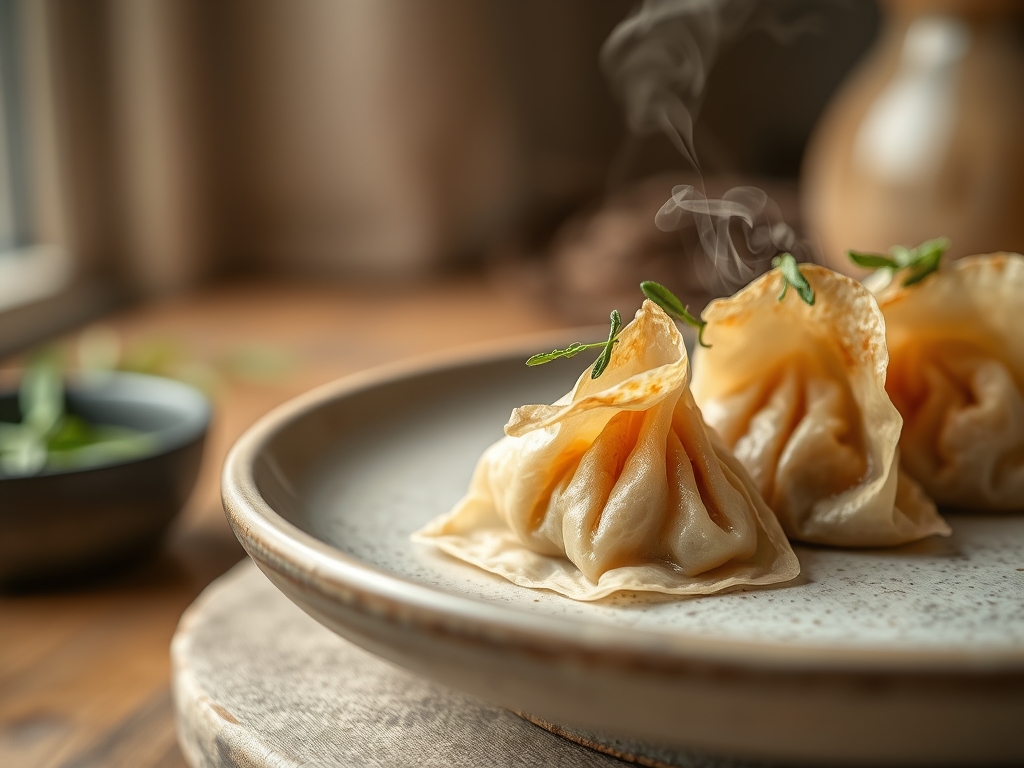
Listen closely because your standard grocery store dough is a structural failure waiting to happen. We are moving beyond the flaccid, store bought circles that disintegrate upon contact with boiling water. This is a Dumpling Wrapper Study in pure mechanical integrity. We are hunting for that elusive balance between extensibility and elasticity. If your dough snaps back like a rubber band, you have failed. If it sags like wet tissue, you have failed. We want a translucent, resilient envelope capable of containing a pressurized burst of piquant juices without a breach in the hull. We are talking about the molecular architecture of wheat protein. When water hits flour, gliadin and glutenin shake hands to form a gluten network. Our job is to manage that network through hydration levels and thermal control. Whether you are aiming for the delicate pleats of a har gow or the rugged, chewy skin of a northern Chinese potsticker, the physics remain the same. Prepare to audit your pantry; we are building a better vessel.
THE DATA MATRIX
| Metric | Specification |
|---|---|
| Prep Time | 45 Minutes |
| Execution Time | 30 Minutes |
| Yield | 40-50 Wrappers |
| Complexity (1-10) | 7 |
| Estimated Cost per Serving | $0.45 |
THE GATHERS
Ingredient Protocol:
- 500g / 4 cups All-Purpose Flour (11% protein content preferred)
- 250ml / 1 cup Boiling Water (for hot-water dough)
- 5g / 1 tsp Fine Sea Salt
- 15ml / 1 tbsp Neutral Oil (to infuse suppleness)
- Extra flour for dusting (keep a bench scraper handy)
Section A: Ingredient Quality Audit:
If your flour is bleached or low-protein, your dough will lack the tensile strength required for thin rolling. The result is a gummy, viscous mess that sticks to the counter. If you find your dough is too brittle, your water temperature likely dropped below the gelatinization point. Fix this by using a digital scale for precision and ensuring your water is at a rolling boil before it touches the flour. This "scalds" the starch, providing a softer, more workable texture that holds its shape during the pleating phase.
THE MASTERCLASS
Step 1: The Thermal Hydration
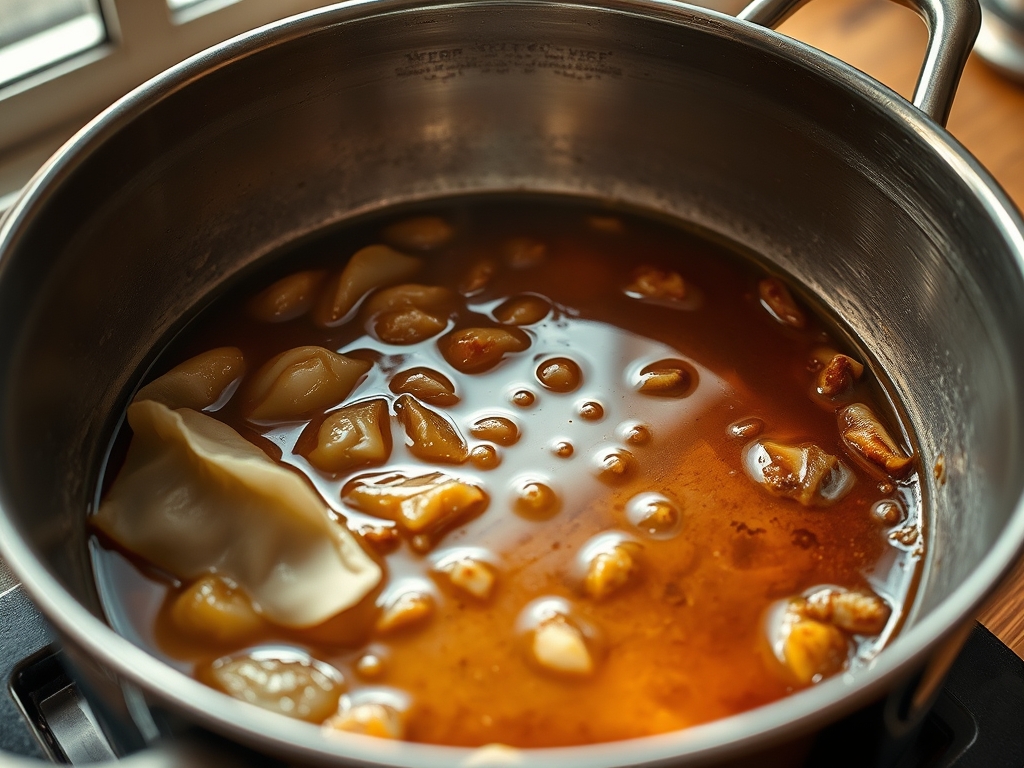
Place your flour and salt in a large stainless steel bowl. Create a well in the center and pour in the boiling water. Use a pair of heavy chopsticks or a sturdy spatula to incorporate the liquid. You are looking for "shaggy" clumps.
Pro Tip: Using boiling water partially denatures the proteins and gelatinizes the starches. This reduces the elasticity just enough so the dough does not shrink back after you roll it out. Use a saucier to heat your water to ensure even temperature distribution.
Step 2: The Mechanical Consolidation
Once the mixture is cool enough to touch, move it to a clean surface. Knead the dough by hand for 10 minutes until it is smooth and "baby-earlobe" soft. If the dough feels tacky, use your bench scraper to clear the surface rather than dumping in cups of extra flour, which will dry out the matrix.
Pro Tip: Kneading aligns the gluten strands. A digital scale should be used here to weigh the total mass; consistency in mass ensures consistency in cook time.
Step 3: The Rest Phase
Wrap the dough tightly in plastic wrap or place it under a damp cloth. Let it rest for at least 30 minutes. This allows the moisture to distribute evenly and the gluten network to relax.
Pro Tip: Resting is not optional. It allows the water to fully infuse the flour particles, preventing "white spots" of raw flour from appearing in the final steamed product.
Step 4: The Division and Roll
Divide the dough into four equal quarters. Roll each into a long rope about one inch in diameter. Cut the rope into small, uniform nuggets. Flatten each nugget with your palm, then use a small rolling pin to thin the edges while keeping the center slightly thicker.
Pro Tip: The "thick center, thin edge" geometry is vital. The edges will be overlapped during pleating; if they are as thick as the center, the "knot" of the dumpling will be a dense, undercooked ball of dough.
Section B: Prep & Timing Fault-Lines:
The biggest error in human timing is rolling all the wrappers at once without covering them. They will oxidize and develop a skin. If your wrappers are drying out, they will not seal, requiring you to use water as "glue," which creates a messy, viscous seam. Work in small batches. Keep the unused dough covered at all times to maintain internal humidity.
THE VISUAL SPECTRUM
Section C: Thermal & Visual Troubleshooting:
Referencing the Dumpling Wrapper Study photo, notice the slight translucency of the skins. If your wrappers look opaque and chalky after steaming, they are undercooked. If they look grey and "slumping," they have been over-hydrated. Uneven browning in a potsticker application usually stems from a lack of starch slurry during the "fry-steam-fry" process. To fix this, render a small amount of fat in the pan first, then add a water-flour slurry to create a "lace" effect. This ensures a uniform, golden-brown "skirt" that shatters upon impact.
THE DEEP DIVE
Macro Nutrition Profile:
Per 5-wrapper serving, expect approximately 180 calories, 35g carbohydrates, 5g protein, and 1g fat. These are primarily a delivery vehicle for complex proteins and fats found in the fillings.
Dietary Swaps:
- Vegan: This recipe is naturally vegan.
- Gluten-Free: Substitute with a blend of rice flour, tapioca starch, and xanthan gum. Note that GF dough lacks the same tensile strength and requires a "press" rather than a rolling pin.
- Keto: Use almond flour and xanthan gum, though the "chew" will be significantly different.
Meal Prep & Reheating Science:
To maintain molecular structure, freeze dumplings on a flat tray before bagging. This prevents the skins from fusing. When reheating, steam directly from frozen. Do not microwave; the localized agitation of water molecules will turn your carefully crafted wrappers into rubber.
THE KITCHEN TABLE
Why are my wrappers springing back when I roll them?
The gluten is too tense. Your dough needs more rest time. Cover it and walk away for 15 minutes to let the protein network relax. This allows for much thinner, more stable wrappers.
Can I use a pasta machine for this?
Yes, but be careful. Pasta machines create a very uniform thickness. You will lose the "thick center" advantage, which may lead to the bottom of the dumpling breaking under the weight of the filling and juices.
My dough is too sticky to handle!
You likely over-hydrated or the ambient humidity is high. Dust your work surface lightly with cornstarch instead of flour. Cornstarch provides a silkier finish and does not toughen the dough like extra wheat flour does.
How do I get that "see-through" look?
High heat and starch gelatinization are key. Use boiling water for the initial mix and ensure your steamer is at a full head of steam before adding the dumplings. This "sets" the starch instantly into a translucent matrix.