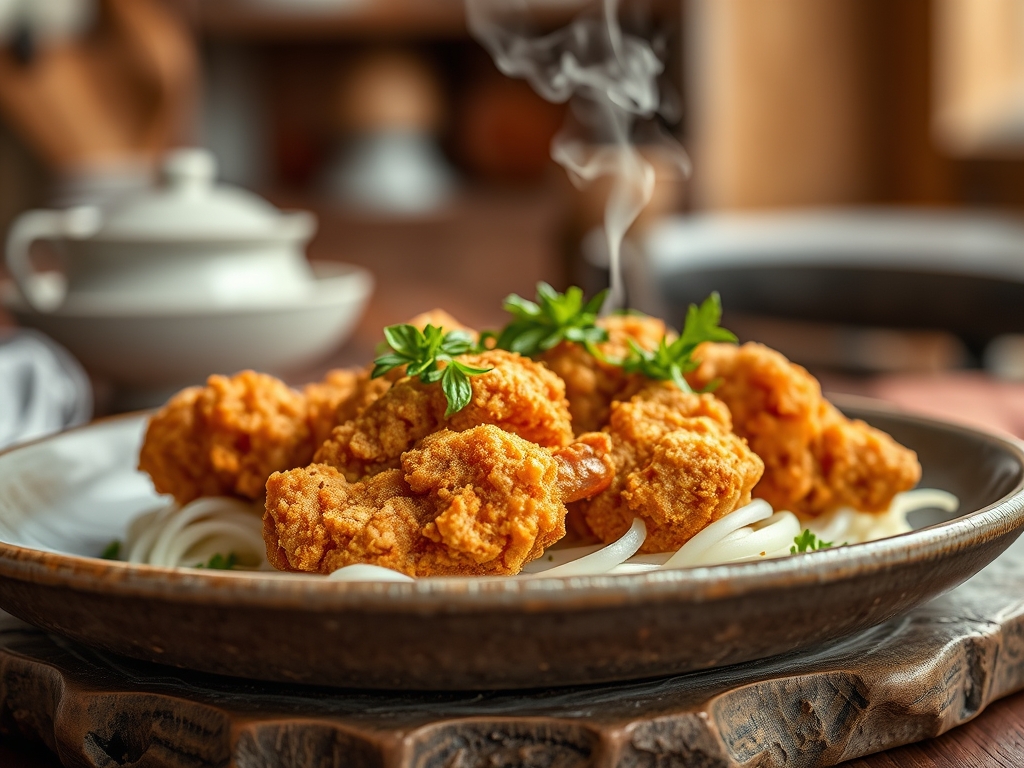
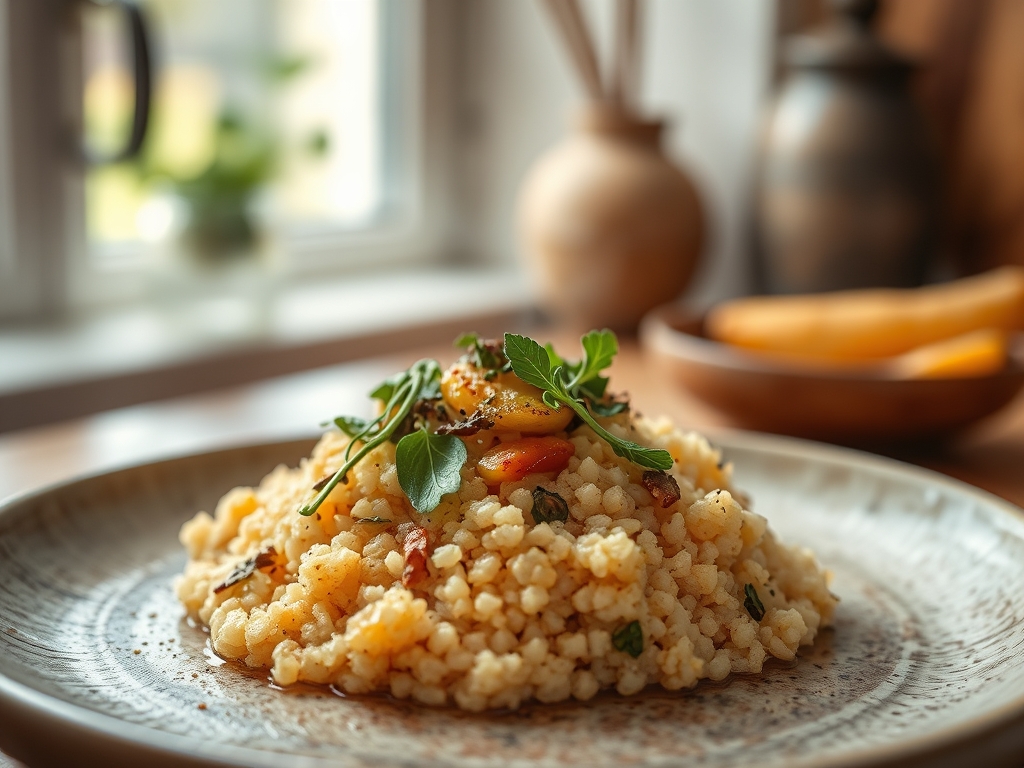
Forget everything you think you know about boiling water and dumping it into a bowl. We are not making a sad, soggy mash; we are engineering a cloud. To master Couscous Grain Hydration is to understand the delicate physics of steam based swelling. Imagine a microscopic dry desert of semolina suddenly hit by a monsoon of aromatic liquid. If you dump too much, you create a structural collapse into a gummy paste. If you use too little, you are left with gritty, unfinished sand. The goal is a perfect capillary action where each grain drinks exactly enough moisture to swell without rupturing its delicate starch boundaries. We are looking for individual spheres that dance across the palate, light as air but firm enough to resist the bite. This is culinary infrastructure at its most granular level. We are building a foundation of texture that serves as a vehicle for fat and fragrance. It is time to audit your technique and upgrade your grain game from amateur fluffing to professional precision.
THE DATA MATRIX
| Metric | Specification |
|---|---|
| Prep Time | 5 Minutes |
| Execution Time | 10 Minutes |
| Yield | 4 Servings |
| Complexity (1-10) | 3 |
| Estimated Cost per Serving | $0.85 |
THE GATHERS
Ingredient Protocol:
- 250g / 1.5 cups Instant Semolina Couscous
- 300ml / 1.25 cups High-Quality Chicken or Vegetable Stock
- 30ml / 2 tbsp Extra Virgin Olive Oil
- 5g / 1 tsp Sea Salt (Fine Grain)
- 2g / 0.5 tsp Ground Cumin (Optional for aromatic depth)
- 15g / 1 tbsp Unsalted Butter (Cold, cubed)
- 10g / 2 tbsp Fresh Flat-Leaf Parsley (Finely minced)
Section A: Ingredient Quality Audit:
If your raw semolina smells musty or like old cardboard, the oils have oxidized. Throw it out; no amount of aromatics can save rancid grain. If your stock is a store-bought sodium bomb, dilute it with 20 percent water to prevent the salt from inhibiting the swelling process. High mineral content in tap water can also affect the viscous nature of the hydration. If you find your grains are consistently clumping, your oil might be too heavy or your salt too coarse. Use a digital scale for the most accurate ratio. Volumetric measurements are the enemy of consistency in the world of Couscous Grain Hydration.
THE MASTERCLASS
1. The Thermal Activation
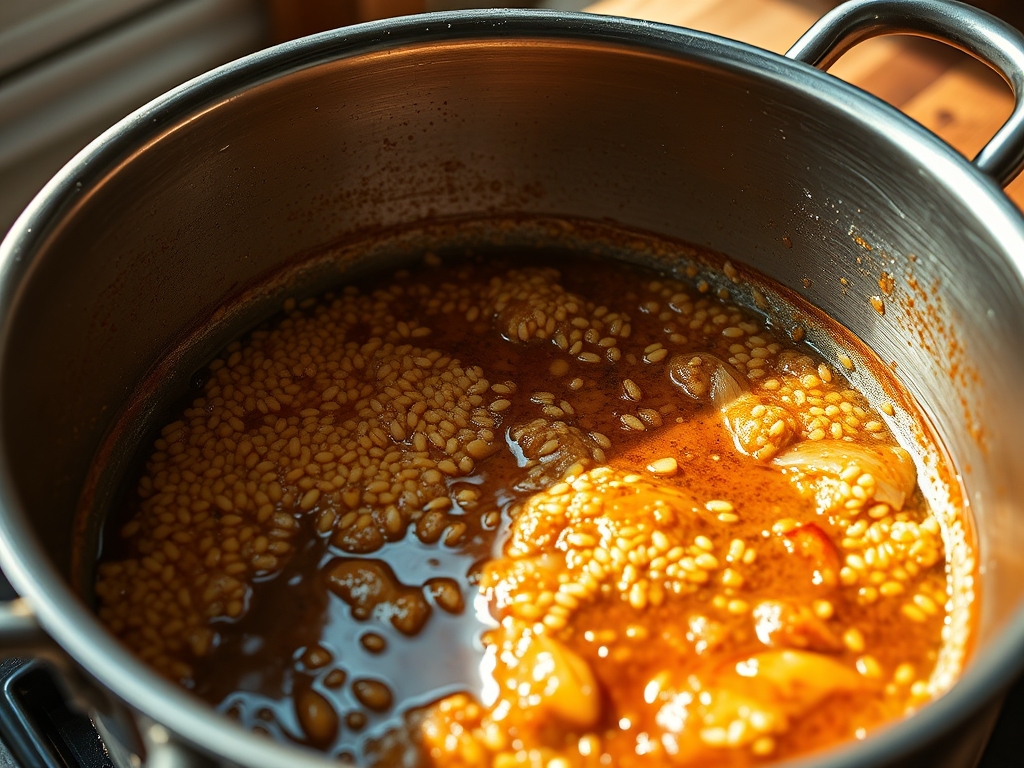
Place your stock, olive oil, and salt into a small saucier. Bring the liquid to a rolling boil over high heat. You want the liquid to be energetic and turbulent to ensure the fat is fully emulsified before it hits the grain.
Pro Tip: Boiling the oil with the stock creates a temporary emulsion that coats each grain of semolina as it hydrates. This prevents the starches from sticking together later. Use a thermapen to ensure your liquid is at least 212 degrees Fahrenheit (100 degrees Celsius) before pouring.
2. The Saturation Event
Place the dry couscous into a wide, shallow heat-proof glass bowl. Pour the boiling liquid over the grain in one swift motion. Do not stir yet. Immediately cover the bowl tightly with plastic wrap or a heavy lid to trap every milligram of steam.
Pro Tip: A wide bowl is superior to a deep one because it prevents the weight of the top grains from crushing the bottom ones. This ensures even Couscous Grain Hydration across the entire batch.
3. The Molecular Rest
Let the bowl sit undisturbed for exactly five minutes. This is the "Steaming Phase." The heat energy is currently moving from the exterior of the grain to the core, gelatinizing the starches without mechanical interference.
Pro Tip: Resistance is key. Opening the lid early allows the steam to escape, dropping the internal temperature and resulting in "hard-core" grains. Use a digital timer to avoid the temptation of peeking.
4. The Aeration Phase
Remove the cover and add the cold, cubed butter. Use a stainless steel fork or a bench scraper to gently rake the grains. Do not stir in a circular motion; instead, lift and toss to aerate the mixture and break up any small clumps.
Pro Tip: The cold butter provides a "thermal shock" that helps separate the grains while adding a luxurious mouthfeel. The mechanical action of the fork introduces air, which is essential for that signature light texture.
5. The Final Infusion
Fold in your minced parsley and any additional spices. The residual heat will infuse the herbs' volatile oils into the grain without wilting them into a brown sludge. Serve immediately while the structure is at its peak.
Pro Tip: If you are serving this cold, spread the fluffed couscous onto a chilled sheet pan. This stops the cooking process instantly and preserves the individual integrity of each pearl.
Section B: Prep & Timing Fault-Lines:
The most common failure is the "Soggy Bottom" syndrome. This happens when the liquid-to-grain ratio is calculated by volume rather than weight. If you find a pool of liquid at the bottom of the bowl after five minutes, your hydration math is off. Conversely, if the grains are crunchy, your "rest" period was too short or your lid was not airtight. Always check the seal of your container. A leak in the system is a leak in the quality.
THE VISUAL SPECTRUM
Section C: Thermal & Visual Troubleshooting:
Look at the Masterclass photo above. Notice the distinct separation of every single grain. If your couscous looks like a singular yellow block, you failed to aerate properly during the fluffing stage. If the color is dull or grayish, your stock lacked acidity or your herbs were added too early and oxidized. The final product should have a soft, golden sheen from the olive oil and butter. If you see white, opaque spots on the grains, those are "dry zones" where the liquid failed to penetrate. This usually indicates that the liquid was not boiling when it was added.
THE DEEP DIVE
Macro Nutrition Profile
A standard serving (approx. 150g cooked) provides roughly 180 calories, 35g of carbohydrates, 6g of protein, and 2g of fiber. While it is a refined grain, it has a lower glycemic index than white rice, providing a more stable energy release.
Dietary Swaps
- Vegan: Replace the butter with a high-quality vegan margarine or simply increase the olive oil. Use a mushroom-based broth for a deep umami hit.
- Keto: There is no direct "grain" swap, but riced cauliflower treated with the same aromatic boiling liquid technique (though with much less liquid) can mimic the experience.
- GF: Look for maize or rice-based couscous. Note that gluten-free versions often require a 1:1 ratio and a longer resting period.
Meal Prep & Reheating Science
To maintain the molecular structure when reheating, avoid the microwave if possible. Instead, place the couscous in a steamer basket for two minutes. This re-introduces moisture without making the starches viscous or gummy. If you must use a microwave, add a teaspoon of water and cover tightly to recreate the steam chamber.
THE KITCHEN TABLE
Why is my couscous always clumpy?
Clumping is usually caused by over-stirring while the grain is still hydrating. This releases excess starch. Pour the water, cover it, and leave it alone. Let the steam do the heavy lifting before you ever touch it with a fork.
Can I use plain water instead of stock?
You can, but you shouldn't. Semolina is a blank canvas. Using water is a missed opportunity to infuse flavor directly into the heart of the grain. If you must use water, double the salt and add a bay leaf.
How do I make the color more vibrant?
Add a pinch of turmeric or a few strands of saffron to the boiling liquid. This dyes the grain from the inside out during the hydration phase, resulting in a brilliant, professional gold that does not rub off.
Is "Pearl" couscous the same thing?
No. Pearl (Israeli) couscous is a toasted pasta that requires a simmering method similar to risotto. The instructions here are specifically for Moroccan-style instant couscous, which relies on steam based swelling rather than active boiling.