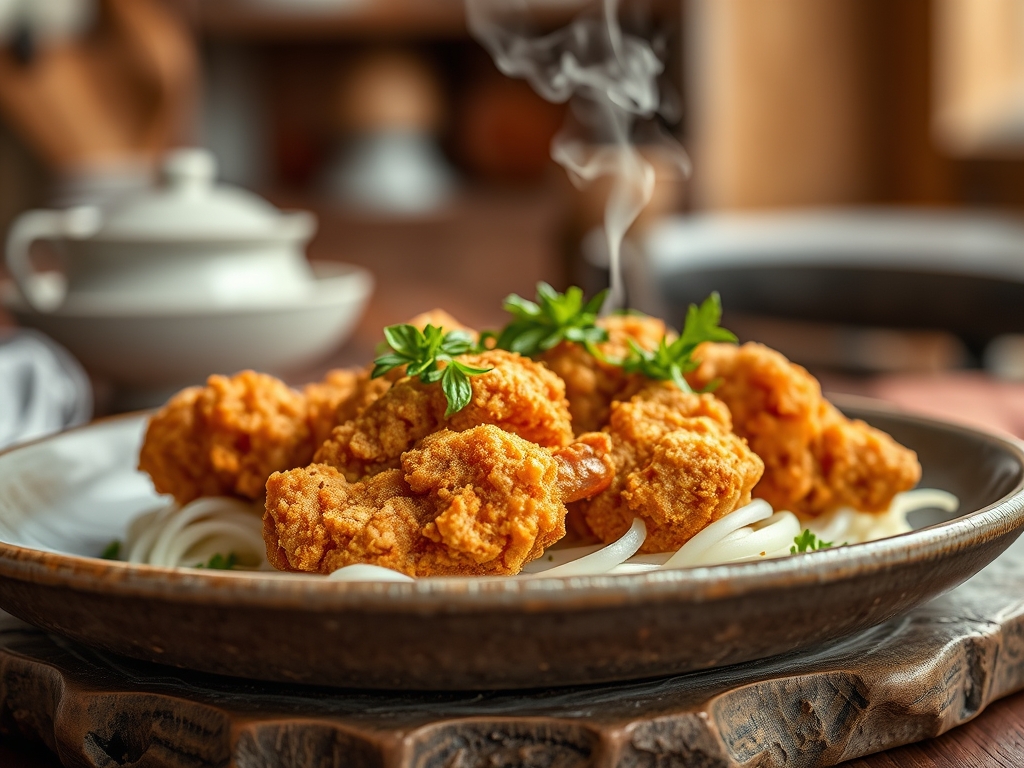
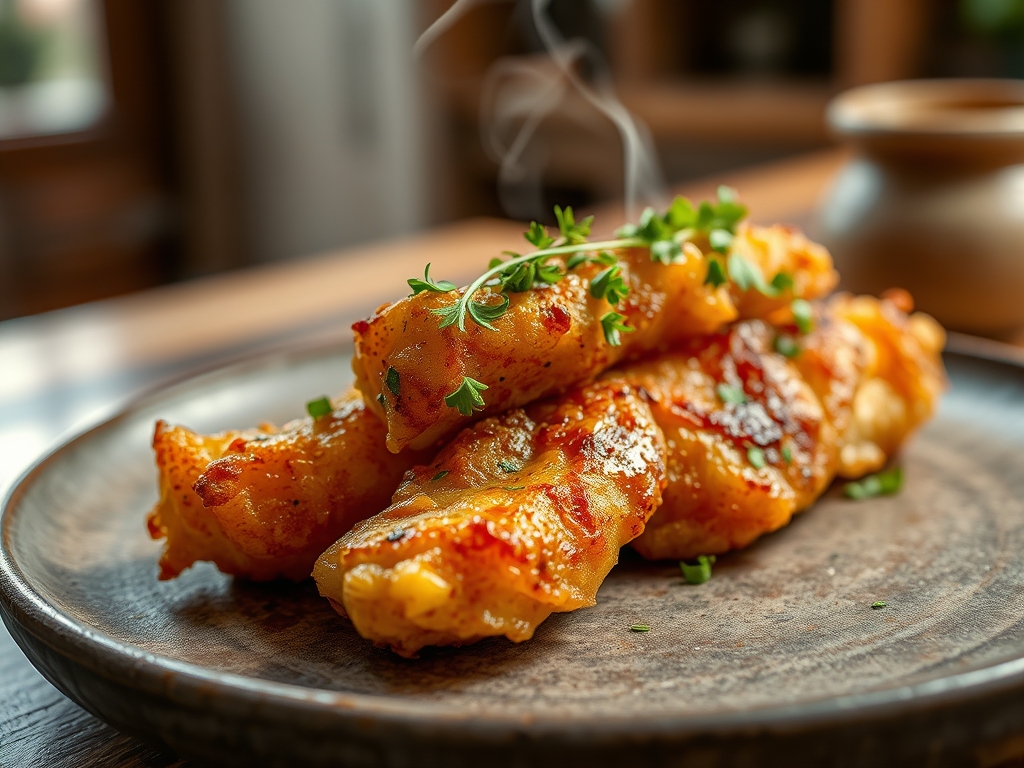
Listen to the sound of the oil. That frantic, high-pitched hiss is the acoustic signature of a phase transition. You are not just frying; you are engineering a structural masterpiece. Welcome to the Tempura Batter Audit. We are moving beyond the amateur realm of soggy, leaden dough and into the domain of the lacy, glass-like vapor barrier. The goal is a coating so fragile it shatters upon contact, yet so resilient it protects the delicate proteins within from the thermal onslaught of 350-degree oil. This is a game of thermal shock. By introducing ice-cold, carbonated batter to a scorching lipid bath, we trigger an explosive release of steam. This instantaneous evaporation creates the voids, the pockets, and the jagged crystalline structures that define a world-class fry. If your batter feels like a heavy blanket, you have failed the audit. We want a veil. We want a crisp, golden exoskeleton that defies gravity and mocks the humidity of the kitchen. Let us begin the technical calibration.
THE DATA MATRIX
| Metric | Specification |
|---|---|
| Prep Time | 10 Minutes |
| Execution Time | 15 Minutes |
| Yield | 4 to 6 Servings |
| Complexity | 7/10 |
| Estimated Cost per Serving | $1.25 – $2.50 |
THE GATHERS
Ingredient Protocol:
- 125g / 1 cup All-purpose flour (Low protein preferred)
- 60g / 0.5 cup Cornstarch or Potato starch
- 1 Large Egg yolk (Cold)
- 250ml / 1 cup Sparkling mineral water (Ice-cold)
- 5g / 1 tsp Baking powder
- 3g / 0.5 tsp Fine sea salt
- 500ml / 2 cups High-smoke point oil (Rice bran or Grapeseed)
Section A: Ingredient Quality Audit:
The primary failure point in most batters is gluten development. If your flour has a high protein content, the mechanical action of whisking will create a rubbery matrix. To fix this, replace 30 percent of your flour with cornstarch to dilute the protein. If your sparkling water is flat, your batter will lack the necessary aeration for a lacy texture. Always crack a fresh bottle. Furthermore, ensure your egg yolk is strictly separated; any trace of white introduces unwanted proteins that can make the coating chewy rather than crisp. If the oil smells "nutty" before you start, it is oxidized. Discard it. Only use neutral oils with a smoke point above 400 degrees Fahrenheit to ensure the Maillard reaction occurs without scorching.
THE MASTERCLASS
Step 1: Thermal Stabilization
Place your mixing bowl inside a larger bowl filled with ice. Measure your dry ingredients using a digital scale for precision. Sift the flour, starch, and baking powder together twice to ensure the mixture is fully de-clumped and oxygenated.
Pro Tip: Keeping the batter at near-freezing temperatures inhibits gluten formation. This allows you to achieve a viscous consistency without the toughness associated with over-mixing.
Step 2: The Carbonation Infusion
In a separate saucier or small carafe, whisk the egg yolk into the ice-cold sparkling water. Pour the liquid into the dry ingredients all at once. Use a pair of thick chopsticks to "stab" and stir the mixture for no more than 15 seconds.
Pro Tip: Lumps are your friend. A perfectly smooth batter is a ruined batter. Those small pockets of dry flour will explode in the oil, creating the characteristic "blooms" of a professional tempura.
Step 3: The Surface Tension Prep
Dust your vegetables or seafood lightly with extra cornstarch using a fine-mesh sieve. Shake off every milligram of excess. The goal is a microscopic "velcro" surface that allows the wet batter to cling without sliding off during the initial immersion.
Pro Tip: Use a bench scraper to keep your workstation clear of excess starch. Residual moisture on the surface of your ingredients is the enemy of adhesion; dry everything with lint-free towels before dusting.
Step 4: The High-Heat Deployment
Heat your oil in a heavy-bottomed pot until it reaches 350 degrees Fahrenheit (175 Celsius). Dip your prepared items into the cold batter and drop them away from your body into the oil. Do not crowd the vessel.
Pro Tip: Use an infrared thermometer to monitor the oil. When the batter hits the oil, the water content vaporizes instantly, creating a "cold shock" barrier that prevents the oil from penetrating the food.
Step 5: The De-Oiling Protocol
Once the bubbling subsides and the coating is pale gold and rigid, remove the items using a spider skimmer. Place them immediately onto a wire cooling rack, not paper towels.
Pro Tip: Paper towels trap steam against the bottom of the fried food, which will infuse the crust with moisture and turn it soggy within seconds. Air circulation is mandatory for structural integrity.
Section B: Prep & Timing Fault-Lines:
The most common human error is the "Wait Gap." If you mix your batter and let it sit for twenty minutes while you chop vegetables, the carbonation escapes and the flour hydrates too deeply. The result is a heavy, pancake-like shell. You must have your "mise en place" fully executed before the liquid touches the flour. Another fault-line is oil recovery time. After each batch, the oil temperature drops. If you do not wait for the oil to return to 350 degrees, the next batch will absorb grease instead of repelling it. Use your timer to ensure at least 90 seconds of recovery between drops.
THE VISUAL SPECTRUM
Section C: Thermal & Visual Troubleshooting:
Referencing the Masterclass photo, observe the "lacy" protrusions. If your tempura looks smooth like a corn dog, your batter was too thick or over-mixed. To fix this, thin the batter with a tablespoon of ice water. If the color is too dark, your oil is either too hot or contains too many "fines" (burnt bits from previous batches). Use a fine-mesh skimmer to constantly clear the oil. If the coating falls off, the ingredient was too wet before dusting. The visual cue for perfection is a "shattered glass" appearance with a very pale, straw-colored hue. If the batter is "weeping" oil, the temperature was too low, failing to create the necessary steam pressure to push the oil away from the surface.
THE DEEP DIVE
Macro Nutrition Profile:
A standard serving of tempura (approx. 150g) contains roughly 320 calories, 18g of fat, 35g of carbohydrates, and 6g of protein. Because the "cold shock" method minimizes oil absorption, the fat content is significantly lower than traditional heavy-batter frying.
Dietary Swaps:
- Vegan: The egg yolk provides color and emulsification; replace it with 1 tablespoon of aquafaba (chickpea liquid) for a similar structural result.
- Gluten-Free: Replace the all-purpose flour with a 50/50 mix of white rice flour and cornstarch. This actually creates an even crispier, though paler, crust.
- Keto: This is difficult given the starch requirement, but a mixture of unflavored whey protein isolate and almond flour can approximate the texture, though it will not "bloom" as effectively.
Meal Prep & Reheating Science:
Fried foods are notoriously difficult to reheat because the starch granules undergo retrogradation. To revive the molecular structure, do not use a microwave. Use an air fryer or oven at 400 degrees for 3 minutes. This re-evaporates any migrated moisture and re-crisps the lipid-starch matrix.
THE KITCHEN TABLE
Why does my tempura get soggy so fast?
Residual steam inside the food is migrating outward. If your batter is too thick, it traps this steam. Thin your batter and ensure you are using a wire rack for cooling to allow the steam to escape freely.
Can I use beer instead of sparkling water?
Absolutely. The proteins and CO2 in beer help with browning and aeration. However, it will result in a darker, more "pub-style" crust rather than the traditional, light Japanese aesthetic. Ensure the beer is near-freezing.
What is the best oil for this audit?
Rice bran oil is the gold standard for its high smoke point and neutral flavor profile. It also contains oryzanol, which resists breakdown during high-heat frying, keeping your "cold shock" barrier clean and crisp.
Do I really need to sift the flour?
Yes. Sifting introduces air and breaks up clumps that would otherwise require over-mixing to dissolve. Over-mixing activates gluten, which is the absolute nemesis of a lacy, fragile tempura coating. Keep it light.