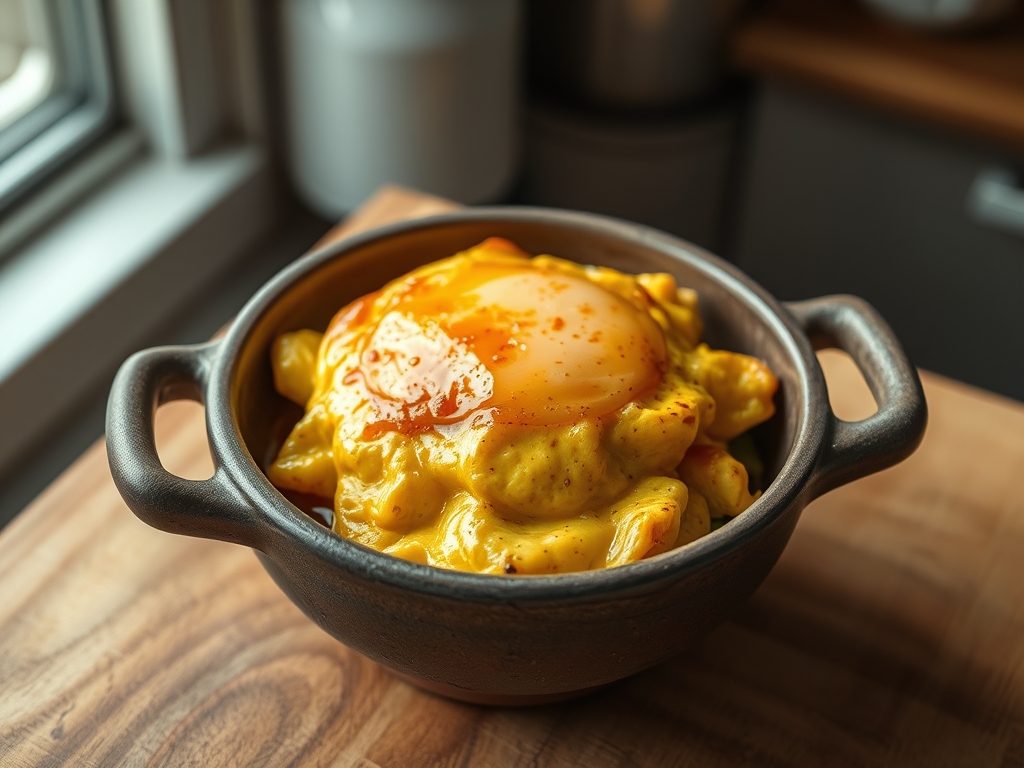
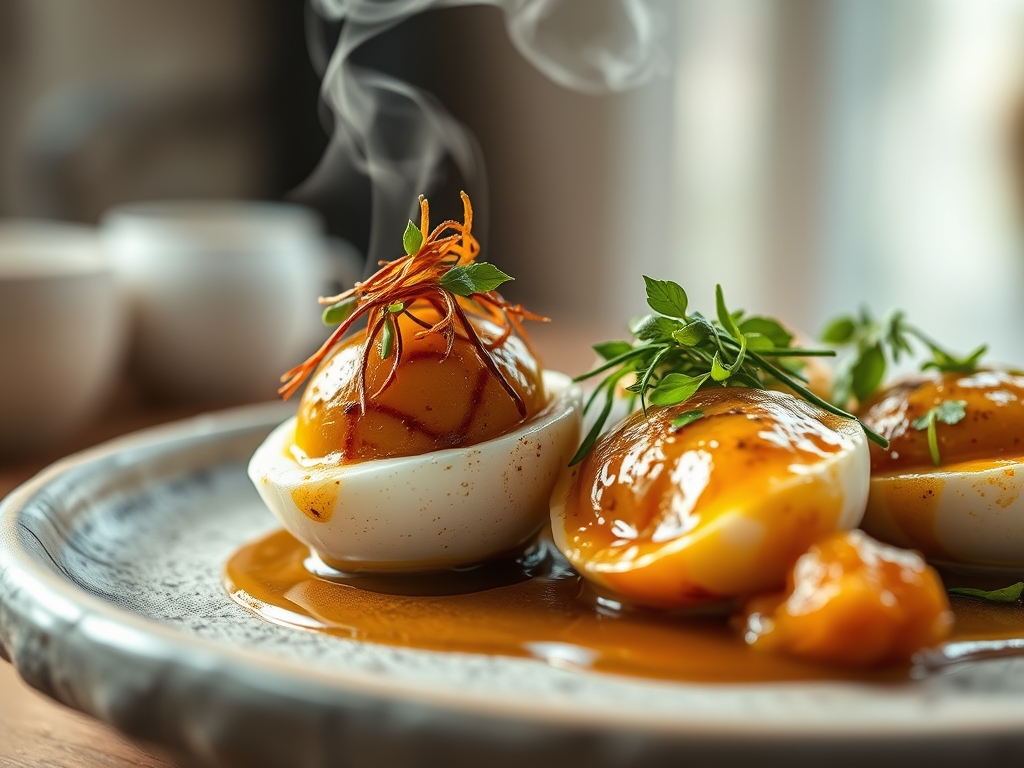
The sulfurous scent of a dive bar jar is a relic of the past. We are here to talk about high-stakes culinary architecture. When we discuss Pickled Egg Security, we are not just talking about keeping a snack safe from a roommate. We are discussing the structural integrity of a protein matrix suspended in a hostile, acidic environment. Imagine the egg as a vault. The shell is the first line of defense, but once that is breached, the albumen becomes a porous membrane ready for total infiltration. We want a piquant infusion that penetrates to the yolk without turning the white into a rubberized industrial gasket. This is about precision. It is about the mathematical ratio of acetic acid to water and the thermal control required to ensure the yolk remains creamy while the exterior achieves a translucent, jewel-like aesthetic. If your brine lacks the proper electrolyte balance, your security is compromised. We are building a shelf-stable masterpiece that defies the laws of rapid decay through the power of molecular chemistry.
THE DATA MATRIX
| Metric | Specification |
|---|---|
| Prep Time | 20 Minutes |
| Execution Time | 15 Minutes (Plus 72-hour Infusion) |
| Yield | 12 Units |
| Complexity (1-10) | 4 |
| Estimated Cost per Serving | $0.45 |
THE GATHERS
Ingredient Protocol:
- 12 Large Grade A Eggs (approx. 600g)
- 500ml / 2 cups Distilled White Vinegar (5% acidity)
- 250ml / 1 cup Filtered Water
- 150g / 0.75 cup Granulated Sugar
- 15g / 1 tbsp Kosher Salt
- 5g / 1 tsp Mustard Seeds
- 2g / 0.5 tsp Black Peppercorns
- 1 Large Red Onion (sliced into thin rings)
- 2 Cloves Fresh Garlic (smashed)
- 1 Small Beet (peeled and sliced for pigment infiltration)
Section A: Ingredient Quality Audit:
If your eggs are too fresh, you are heading for a peeling disaster. Fresh eggs have a low pH in the albumen, causing it to bond to the shell membrane like industrial adhesive. Technical fix: Use eggs that are at least 10 days old or add a teaspoon of baking soda to the boiling water to raise the pH level. If your vinegar smells metallic, it likely contains impurities that will react with your spices. Always use high-quality distilled vinegar for a clean flavor profile. If your spices are dull and dusty, they will not infuse properly. Toast them in a dry saucier for 30 seconds before adding liquids to wake up the volatile oils.
THE MASTERCLASS
1. The Thermal Shock Protocol
Place your eggs in a large pot and cover with cold water. Bring to a rolling boil, then immediately remove from heat and cover. Let sit for exactly 9 minutes. Transfer the eggs to an ice bath using a slotted spoon to halt the cooking process instantly.
Pro Tip: Using a digital scale to ensure your eggs are of uniform weight ensures that the 9-minute window yields a consistent "jammy" center rather than a chalky, overcooked yolk. Thermal shock prevents the formation of the unappetizing green ferrous sulfide ring.
2. The Membrane Breach
Once the eggs are chilled (approx. 10 minutes), gently crack the shells all over. Peel them under a thin stream of cool running water. The water acts as a lubricant between the albumen and the membrane.
Pro Tip: Use a bench scraper to tidy your station after peeling. Keeping your workspace clear of shell fragments prevents cross-contamination of the smooth egg surfaces, ensuring a pristine visual finish for the final product.
3. Brine Synthesis and Infusion
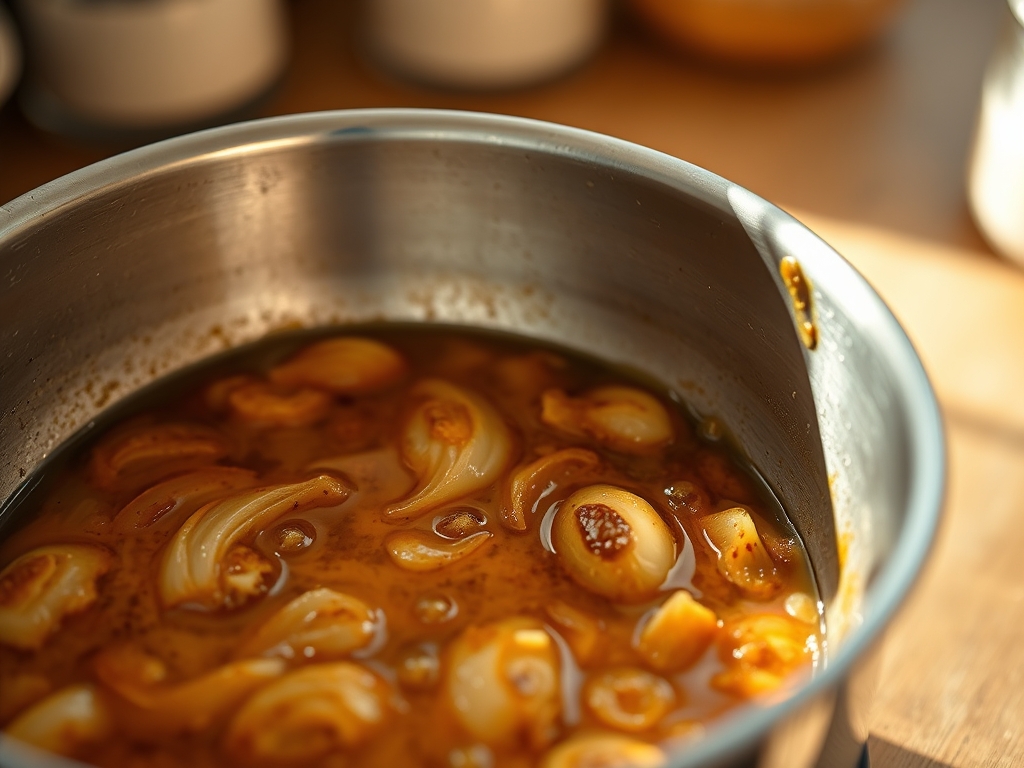
In a heavy-bottomed saucier, combine vinegar, water, sugar, salt, and spices. Bring the mixture to a simmer over medium heat until the solids are fully dissolved. Add the beet slices and red onion to render their pigments and flavors into the liquid.
Pro Tip: Use a digital thermometer to ensure the brine reaches 190 degrees Fahrenheit. This temperature is high enough to dissolve the solutes and sanitize the aromatics without boiling off the volatile acetic acid that is crucial for Pickled Egg Security.
4. The Hermetic Seal
Pack the peeled eggs into a sterilized glass jar. Pour the hot brine over the eggs until they are completely submerged. Ensure the garlic and onions are distributed evenly to maximize surface area contact. Seal the jar and refrigerate.
Pro Tip: Use a weight or a crumpled piece of parchment paper at the top of the jar to keep the eggs fully submerged. Any surface area exposed to air is a vulnerability in your Pickled Egg Security protocol; the acid must cover every millimeter.
Section B: Prep & Timing Fault-Lines:
The most common human error is the "Hot Brine Paradox." Pouring boiling brine over cold eggs can cause the outer layer of the egg white to toughen. Technical fix: Let the brine cool to 140 degrees Fahrenheit before pouring. This allows for a more gradual infusion of the acetic acid. If you pull the eggs too early (under 48 hours), the center will remain bland. The molecular migration of salt and acid takes time. If the eggs are rubbery, you likely over-boiled them in step one. Precision timing is the only remedy for structural failure.
THE VISUAL SPECTRUM
Section C: Thermal & Visual Troubleshooting:
Look at the Masterclass photo. Notice the deep magenta hue and the lack of air bubbles on the surface. If your eggs look splotchy, it means they were touching each other too tightly in the jar, preventing the brine from circulating. If the color is dull, your beet-to-vinegar ratio was insufficient; increase the pigment load next time. If the brine looks cloudy, your salt may have contained anti-caking agents or your water had high mineral content. Always use filtered water and pure kosher salt to maintain a viscous and clear liquid. A "rubbery" look often indicates the eggs were left in the brine for over two weeks; the acid eventually breaks down the protein structure too far.
THE DEEP DIVE
Macro Nutrition Profile:
Each pickled egg provides approximately 78 calories, 6g of protein, 5g of fat, and 2g of carbohydrates. The fermentation-adjacent process adds a negligible amount of probiotics but significantly increases the sodium content to roughly 180mg per unit.
Dietary Swaps:
- Vegan: Substitute eggs with firm tofu blocks or boiled baby potatoes. The brine remains the same, but the infusion time for tofu is reduced to 24 hours.
- Keto: Replace the granulated sugar with an erythritol-based sweetener. This maintains the Pickled Egg Security without the glycemic load.
- GF: This recipe is naturally gluten-free; however, ensure your vinegar is distilled from corn or grapes rather than malt.
Meal Prep & Reheating Science:
Do not reheat pickled eggs. The molecular structure of a pickled egg is designed for cold consumption. Applying heat will cause the acetic acid to react aggressively with the sulfur in the yolk, creating an off-putting aroma and a rubbery texture. For meal prep, store them in the back of the refrigerator where the temperature is most stable. They will maintain their integrity for up to 14 days if the seal is kept tight.
THE KITCHEN TABLE
Why is my brine cloudy after three days?
Cloudy brine usually indicates bacterial growth or the use of table salt with additives. If the brine smells "funky" rather than "piquant," discard the batch immediately. Your Pickled Egg Security has been compromised by environmental pathogens.
Can I reuse the pickling liquid?
Technically yes, but it is not recommended. The first batch of eggs absorbs a significant portion of the acid and salt, altering the pH. Reusing the liquid risks a weaker cure and potential spoilage. Always start with fresh reagents.
Why did my eggs turn blue?
This is a chemical reaction between the sulfur in the egg and the garlic. If the garlic is slightly old or the acidity is low, it can turn blue or green. It is safe to eat but visually suboptimal.
How do I get a perfectly centered yolk?
During the first three minutes of boiling, gently stir the eggs in a circular motion. The centrifugal force helps center the yolk within the albumen before it sets, ensuring a symmetrical cross-section for your final presentation.