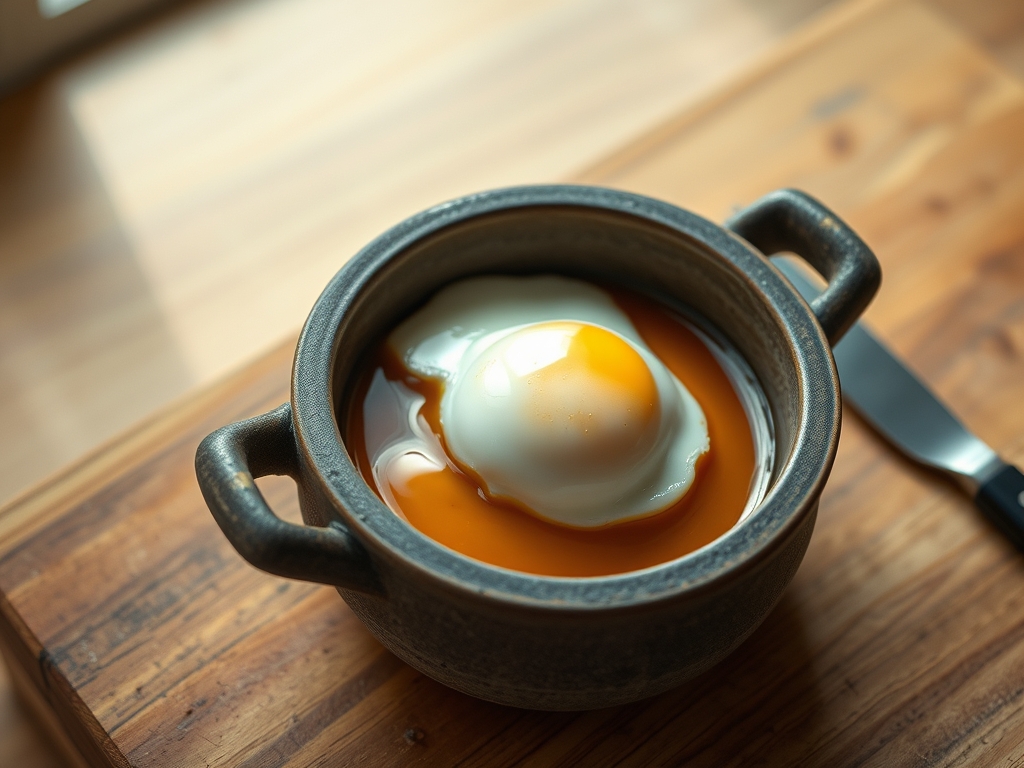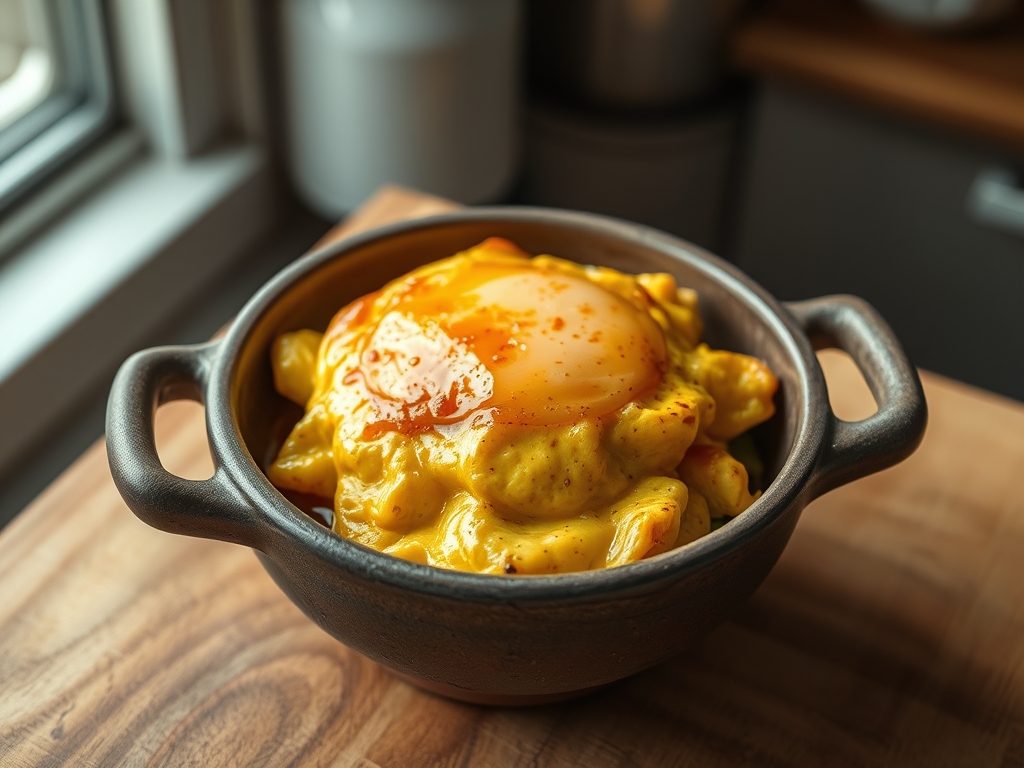
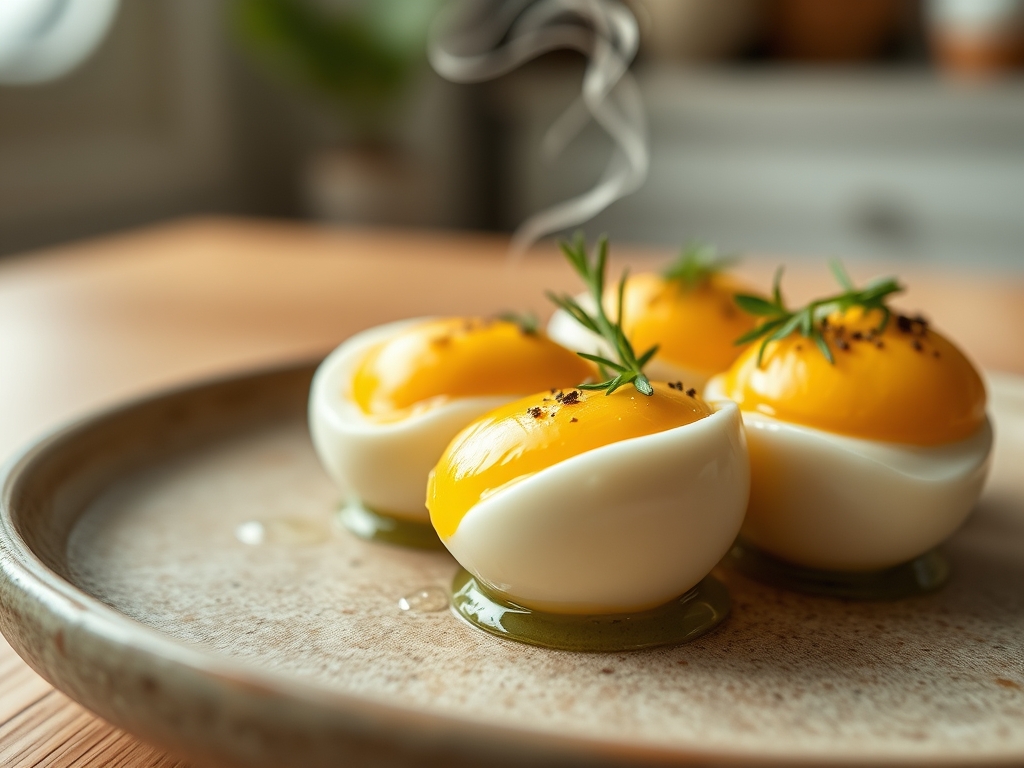
Listen to the sound of a structural failure. It is the sharp, rhythmic crack of a calcium carbonate shell meeting a granite countertop. This is the entry point into the most volatile architecture in the culinary world. We are not just cooking breakfast; we are managing a phase change. The goal is a delicate, structural paradox where the exterior albumen is fully set into a resilient, opaque lattice while the interior remains a viscous, golden fluid. This is the realm of Soft Boiled Eggs. When executed with precision, the yolk should possess the texture of warm velvet, ready to infuse whatever it touches with a rich, fatty mouthfeel. If you miss the window by even thirty seconds, the proteins tighten into a rubbery cage and the yolk loses its liquid soul. We are operating on a razor-thin margin of thermal equilibrium. It requires the soul of a poet and the cold, calculating eye of a structural engineer. Let us audit your infrastructure and ensure your yolks never reach the point of no return.
THE DATA MATRIX
| Metric | Specification |
|---|---|
| Prep Time | 2 Minutes |
| Execution Time | 6 Minutes |
| Yield | 1 to 12 Units |
| Complexity (1-10) | 4 |
| Estimated Cost per Serving | $0.45 USD |
THE GATHERS
Ingredient Protocol:
- Large Grade A Eggs (Cold): 2 to 6 units.
- Filtered Water: 2 Liters / 8.5 cups.
- Ice Cubes: 500g / 3 cups.
- Kosher Salt: 15g / 1 tablespoon.
- Distilled White Vinegar (Optional): 15ml / 1 tablespoon.
Section A: Ingredient Quality Audit:
The primary failure point in Soft Boiled Eggs is the age of the protein. As an egg ages, the pH of the white increases, which actually makes it easier to peel but compromises the structural integrity of the albumen. If your eggs are too fresh, the membrane sticks to the shell like industrial adhesive. To fix this, add a splash of vinegar to the water to slightly weaken the shell structure. If the eggs are too old, the yolk will not sit centered; it will drift toward the shell, leading to uneven cooking. Always source eggs with a high "Haugh unit" rating for the best internal geometry. If your yolks look pale and anemic, your source lacks carotenoids. Switch to pasture-raised sources to ensure a vibrant, piquant orange hue that indicates a superior lipid profile.
THE MASTERCLASS
Step-by-Step Execution:
1. Thermal Priming
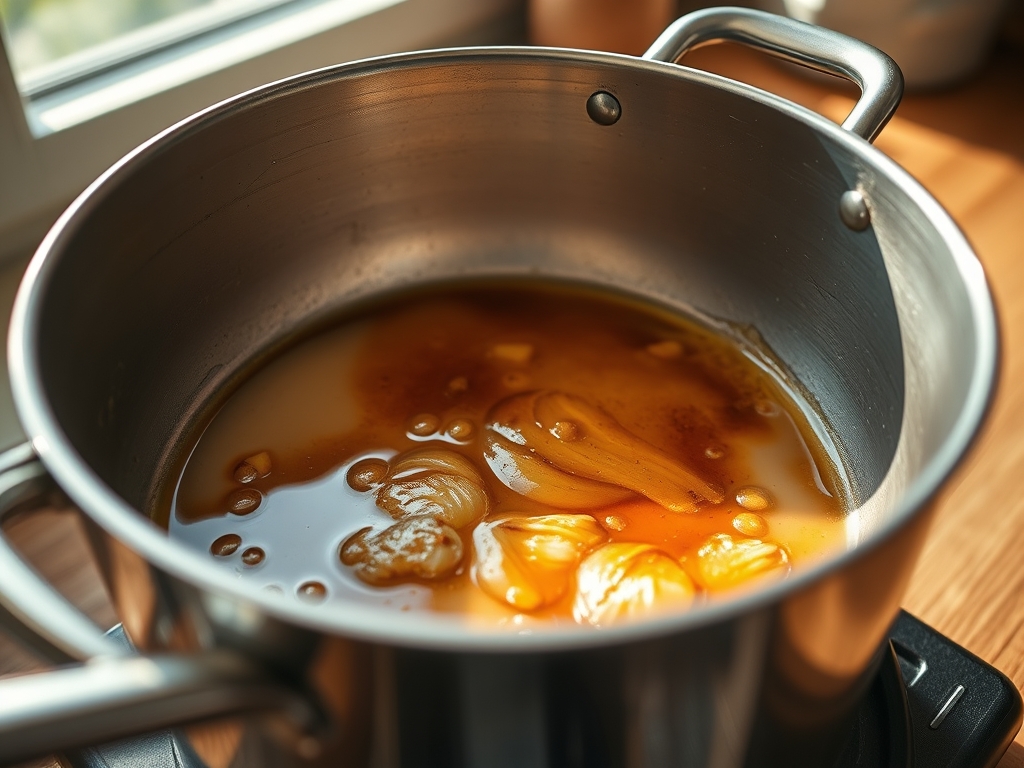
Fill a heavy-bottomed saucier with enough water to submerge the eggs by at least one inch. Bring the water to a rolling boil over high heat. Do not add the eggs yet; we need a stable, high-energy environment to trigger immediate protein coagulation.
Pro Tip: Use a digital scale to measure your salt. Salinity increases the boiling point slightly and aids in the rapid setting of the outer white, preventing the dreaded "leaking" if a shell hairline fractures upon entry.
2. The Controlled Descent
Lower the heat to a simmer so the water is not turbulent. Use a slotted spoon or a wire spider to gently lower the eggs into the water. Immediately return the heat to high and start your timer. Precision is non-negotiable here.
Pro Tip: A bench scraper is useless here, but a high-quality digital timer is your best friend. The rapid transition from 4 degrees Celsius (fridge temp) to 100 degrees Celsius creates a "thermal shock" that helps pull the membrane away from the shell.
3. The Six-Minute Window
Maintain a steady boil for exactly six minutes. At the four-minute mark, gently rotate the eggs with a spoon. This use of centrifugal force helps center the yolk within the setting whites, ensuring a symmetrical cross-section when sliced.
Pro Tip: The science of viscosity dictates that the yolk begins to thicken at 62 degrees Celsius and sets at 70 degrees Celsius. We are aiming for a core temperature of 64 degrees Celsius to maintain that perfect pourable flow.
4. The Cryogenic Arrest
While the eggs cook, prepare an ice bath in a stainless steel mixing bowl. Combine the ice and cold water. When the timer hits zero, immediately transfer the eggs from the boiling water to the ice bath.
Pro Tip: This "thermal crash" stops the carryover cooking instantly. Without this, the residual heat would continue to render the yolk into a semi-solid state, ruining the liquid center.
5. The Structural Deconstruction
Let the eggs sit in the ice bath for at least three minutes. Crack the shell gently all over by tapping it against a flat surface. Peel the eggs under a thin stream of cool running water. The water acts as a lubricant between the membrane and the white.
Pro Tip: Use the side of your thumb, not your nails, to peel. This prevents "gouging" the delicate surface of the egg. A perfectly peeled egg should be as smooth as polished marble.
Section B: Prep & Timing Fault-Lines:
The most common human error is the "crowded pot" syndrome. If you drop twelve cold eggs into a small amount of water, the temperature will plummet, throwing off your timing. Always ensure a high water-to-protein ratio. If your eggs are cracking upon entry, they are likely too cold or being dropped too hard. Use a "room temperature temper" for 10 minutes before cooking if you find your shells are consistently failing under pressure.
THE VISUAL SPECTRUM
Section C: Thermal & Visual Troubleshooting:
Look at the reference image above. Notice the "translucent-to-opaque" gradient. If your whites are still clear or snotty, you have a "low-energy" boil; increase your BTU output. If there is a green ring around the yolk, you have catastrophically overcooked the egg, causing iron and sulfur to react. The goal is a "sunburst" effect where the outermost edge of the yolk is slightly jammy while the center remains a vivid, flowing liquid. If the egg looks "dimpled" after peeling, it means the air pocket was too large; try to use fresher eggs or store them blunt-side up to keep the air cell away from the primary protein mass.
THE DEEP DIVE
Macro Nutrition Profile:
A single soft-boiled egg is a nutritional powerhouse. It contains approximately 78 calories, 6 grams of high-biological-value protein, and 5 grams of healthy fats. It is rich in choline, which is essential for brain infrastructure, and lutein for ocular health. Because the yolk is not overcooked, the delicate fats and fat-soluble vitamins remain unoxidized and highly bioavailable.
Dietary Swaps:
- Vegan: Impossible to replicate the molecular structure exactly; however, a "tofu scramble" with black salt (kala namak) can mimic the sulfurous aroma. For a liquid yolk replacement, a mixture of nutritional yeast, turmeric, and thickened vegetable stock can provide a similar viscous mouthfeel.
- Keto/GF: Soft boiled eggs are the gold standard for these protocols. Serve them over steamed asparagus or with "chaffles" to maintain a low-glycemic index.
Meal Prep & Reheating Science:
Soft boiled eggs can be stored in their shells in the refrigerator for up to three days. To reheat without hardening the yolk, submerge the cold egg in a bowl of hot tap water (about 60 degrees Celsius) for 5 minutes. Never microwave a soft-boiled egg; the internal steam pressure will cause a literal explosion of avian protein across your kitchen infrastructure.
THE KITCHEN TABLE
Why is my yolk off-center?
Gravity is the culprit. As eggs age, the chalazae (the protein anchors) weaken. To fix this, store your eggs on their sides 24 hours before cooking or gently stir the water during the first two minutes of boiling.
Can I cook these in an air fryer?
You can, but you shouldn't. Air is a poor conductor of heat compared to water. You will end up with "tough" whites and unpredictable yolks. Stick to the hydro-thermal method for consistent viscosity and structural integrity.
How do I get that perfect "jammy" texture?
Increase the cook time to 6 minutes and 30 seconds. This extra 30-second window allows the outer layer of the yolk to undergo partial coagulation, creating a spreadable, custard-like texture rather than a liquid pour.
Why do my eggs smell like sulfur?
That is the smell of over-processing. When the proteins in the white break down too much, they release hydrogen sulfide gas. If you smell "old egg," you have exceeded the thermal limits of the 6-minute window.