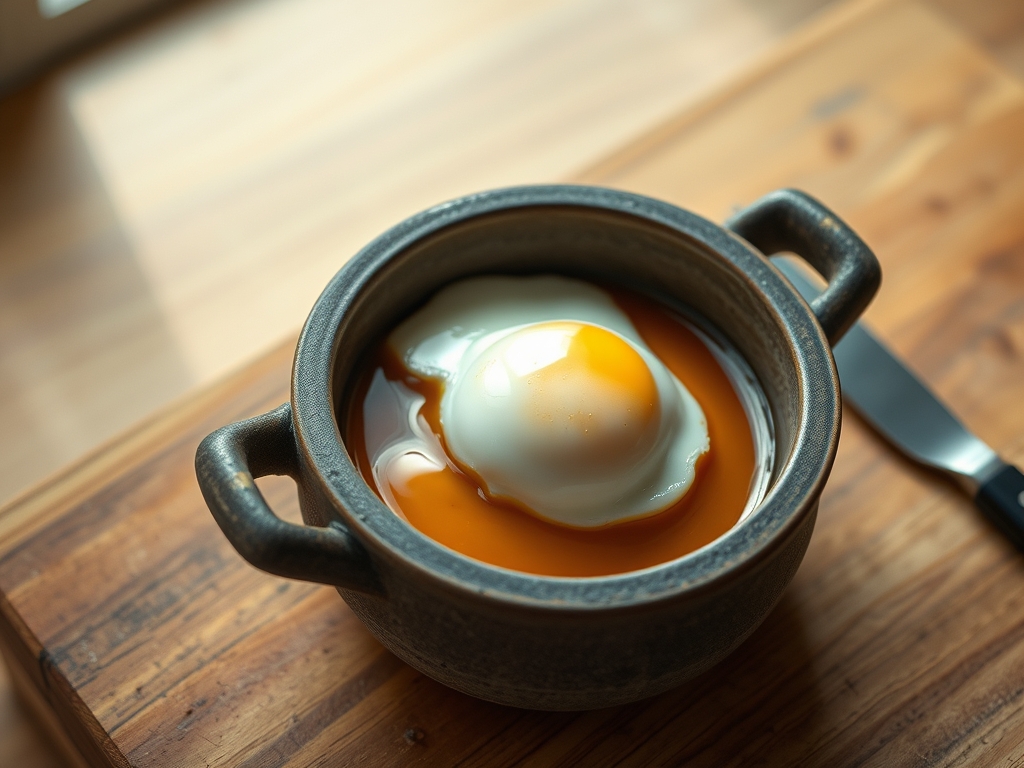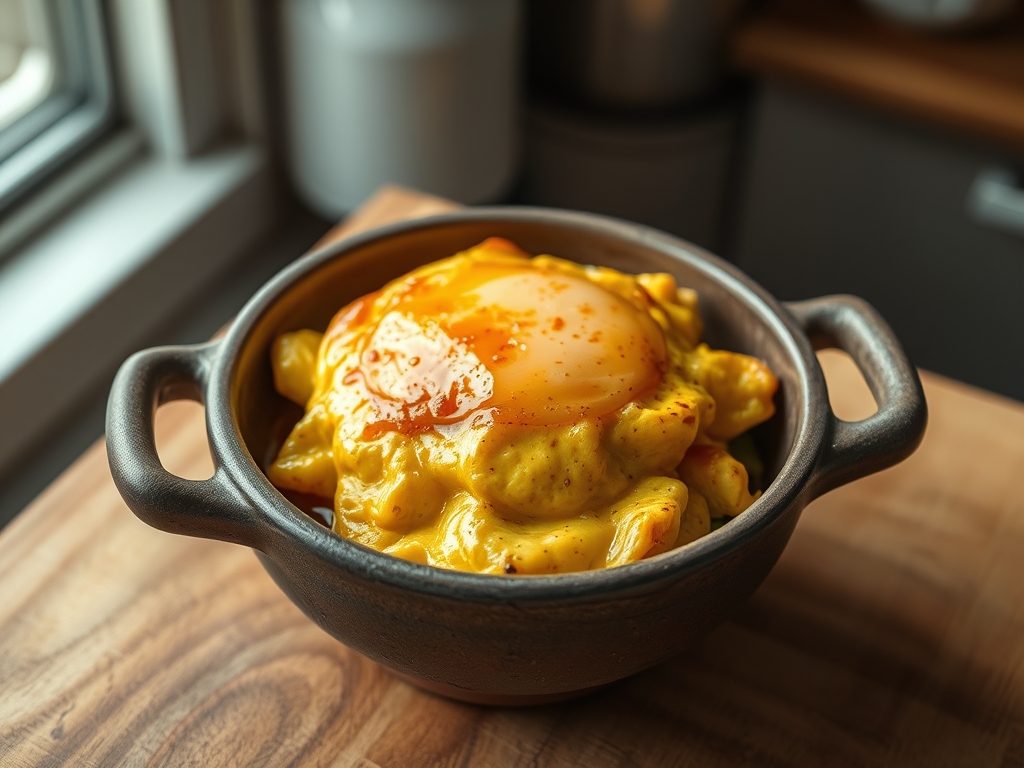
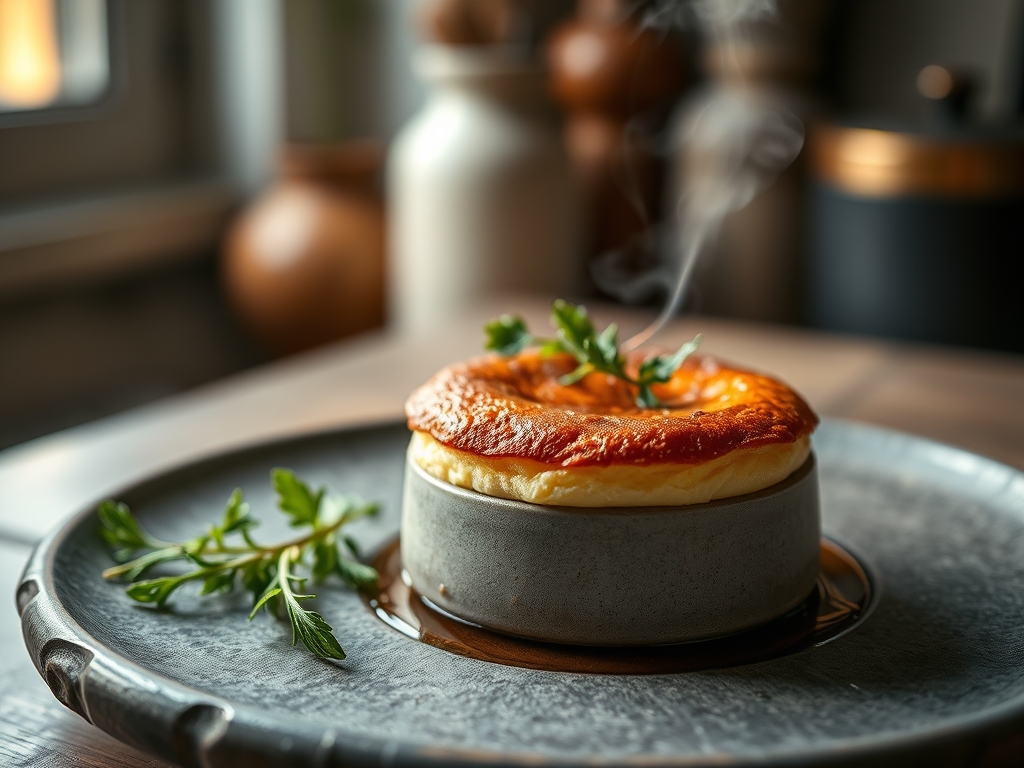
Listen closely because we are about to engage in high-stakes culinary engineering. We are not just making dinner; we are constructing a temporary monument to the laws of thermodynamics. The goal is the perfect Souffle Infrastructure. This is the ultimate test of gas phase incorporation. You are essentially trying to trap atmospheric nitrogen and oxygen inside a protein-fortified lattice before the heat of the oven forces those gases to expand and defy gravity. It is a violent, beautiful process. When you pull it off, the result is a towering, golden pillar of edible air that quivers with the slightest movement. If you fail, you are left with a sad, rubbery puck of overcooked egg proteins. We do not do failure here. We do precision. We do structural integrity. We do the kind of technical execution that makes onlookers question if you have a degree in fluid dynamics. Grab your whisk and check your ego at the kitchen door. It is time to audit your technique and build something magnificent.
THE DATA MATRIX
| Metric | Specification |
|---|---|
| Prep Time | 25 minutes |
| Execution Time | 20 minutes |
| Yield | 4 Individual Ramekins |
| Complexity | 8 / 10 |
| Estimated Cost per Serving | $1.75 |
THE GATHERS
Ingredient Protocol:
- Unsalted Butter: 45g / 3 tbsp (plus extra for coating)
- All-Purpose Flour: 30g / 1/4 cup
- Whole Milk: 240ml / 1 cup
- Gruyere Cheese (finely grated): 100g / 1 cup
- Large Eggs (separated): 4 units
- Cream of Tartar: 1g / 1/4 tsp
- Dry Mustard Powder: 2g / 1/2 tsp
- Cayenne Pepper: 0.5g / 1 pinch
- Fine Sea Salt: 3g / 1/2 tsp
Section A: Ingredient Quality Audit:
The most common failure point in Souffle Infrastructure starts at the farm. If your eggs are older than a week, the chalazae weaken and the albumin loses its ability to maintain a stable foam. Pro Tip: Use the freshest eggs possible for maximum surface tension. If your cheese is pre-shredded, the potato starch coating will interfere with the viscous nature of your base sauce, leading to a grainy mouthfeel. Always grate your own Gruyere from a high-quality block. If your milk is ultra-pasteurized, the protein structure is already partially denatured, which can result in a less stable rise. Opt for standard pasteurized whole milk to ensure the fat-to-protein ratio supports the internal scaffolding.
THE MASTERCLASS
1. Vessel Preparation and Friction Control
Before the oven even preheats to 375F (190C), you must prep your ramekins. Use a pastry brush to apply softened butter in vertical strokes from the bottom to the rim. This creates a "ladder" for the batter to climb. Coat the butter with a thin layer of grated parmesan or breadcrumbs.
Pro Tip: Use a digital scale to ensure your butter application is even. The vertical brushing technique reduces friction, allowing the expanding gas to push the batter upward rather than letting it snag on the sides of the ceramic.
2. The Roux and Bechamel Foundation
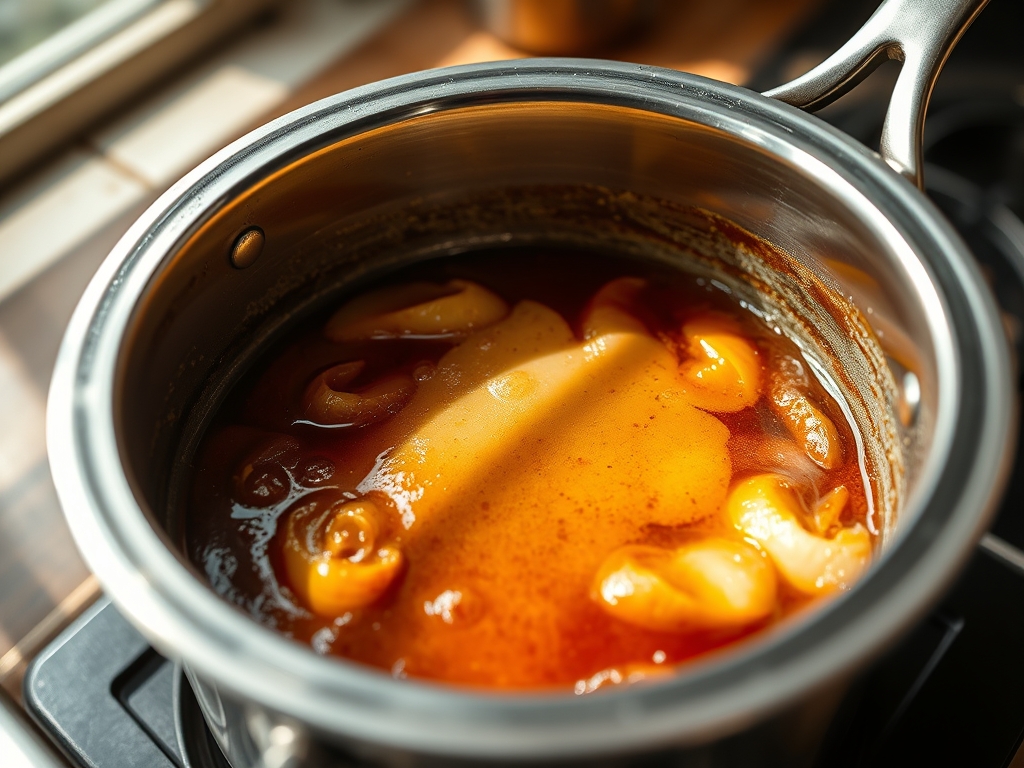
In a heavy-bottomed saucier, melt your butter over medium heat. Whisk in the flour and cook for two minutes to eliminate the raw starch taste without browning. Slowly stream in the milk, whisking constantly to create a smooth, viscous bechamel. Remove from heat once thickened.
Pro Tip: A saucier is superior to a saucepan here because the rounded bottom prevents flour clumps from hiding in the corners. This ensures a perfectly homogenous base for your structural lattice.
3. Flavor Infusion and Tempering
Whisk the egg yolks one by one into the warm bechamel. Add your salt, mustard, and cayenne. This is where you infuse the base with its piquant profile. Fold in the grated cheese until just melted. Transfer this mixture to a large bowl.
Pro Tip: Use an instant-read thermometer to ensure the bechamel is below 140F (60C) before adding yolks. If the base is too hot, you will scramble the eggs and ruin the emulsion.
4. Gas Phase Incorporation (The Meringue)
In a clean glass or copper bowl, beat the egg whites with the cream of tartar until stiff peaks form. The whites should be glossy and hold their shape when the whisk is lifted. Do not overbeat, or the proteins will become brittle and "weep" liquid.
Pro Tip: Use a balloon whisk or a stand mixer with a whisk attachment. The goal is to aerate the whites to their maximum volume without breaking the delicate protein strands.
5. The Structural Integration
Gently fold one-third of the whites into the cheese base to lighten it. Then, fold the remaining whites in using a "cut and fold" motion with a silicone spatula. Stop as soon as no white streaks remain. Do not over-mix, or you will render the trapped air useless.
Pro Tip: Use a bench scraper to clean the sides of the bowl as you fold. This ensures every gram of the mixture is incorporated without deflating the air bubbles you worked so hard to create.
6. The Final Launch
Divide the mixture between the prepared ramekins. Run your thumb around the inside rim of each dish to create a "top hat" effect. Place the ramekins on a baking sheet and slide them into the center of the oven. Bake for 20 to 25 minutes.
Pro Tip: Never open the oven door during the first 15 minutes. The sudden drop in temperature will cause the internal gas pressure to fail, leading to an immediate collapse of your Souffle Infrastructure.
Section B: Prep & Timing Fault-Lines:
The biggest human error is the "waiting game." A souffle is a live chemical reaction. If you let the batter sit on the counter while you look for your oven mitts, the bubbles will begin to coalesce and pop. Your timing must be synchronized so the oven is at the target temperature the exact second the folding is complete. Additionally, temperature shock is a silent killer. Ensure your eggs are at room temperature before you begin. Cold whites take longer to aerate and result in a less stable foam.
THE VISUAL SPECTRUM
Section C: Thermal & Visual Troubleshooting:
Look at the Masterclass photo above. Notice the "crown" rising perfectly straight above the rim. If your souffle leans to one side, your heat distribution is uneven; rotate your baking sheet halfway through next time. If the top is dark brown but the center is liquid, your oven is running too hot. Use an oven thermometer to verify the internal temp. A dull, matte finish on the crust suggests a lack of moisture. You can place a small pan of water on the bottom rack to create a slight steam effect, which keeps the exterior flexible for a higher rise. If the color is pale, you likely skimped on the cheese or egg yolks, which provide the fats necessary for the Maillard reaction.
THE DEEP DIVE
Macro Nutrition Profile:
A single serving provides approximately 280 calories, 18g of fat, 12g of protein, and 8g of carbohydrates. It is a high-protein, high-fat dish that relies on the quality of the lipids for its luxurious mouthfeel.
Dietary Swaps:
- Vegan: This is difficult as the dish is 80 percent egg. However, you can use aquafaba (chickpea liquid) as a replacement for egg whites and a cashew-based cream sauce for the base.
- Keto: Replace the all-purpose flour with 1/2 teaspoon of xanthan gum to thicken the base.
- GF: Swap the flour for a 1:1 gluten-free baking blend or cornstarch.
Meal Prep & Reheating Science:
Souffles are notoriously "one-way" dishes. However, you can prep the bechamel base up to 24 hours in advance and keep it refrigerated. The egg whites must be whipped and folded immediately before baking. To reheat a leftover souffle, use a low oven (300F) for 10 minutes. While it will never regain its original height, the molecular structure will soften, and the flavors will remain intact.
THE KITCHEN TABLE
Why did my souffle collapse immediately?
The temperature difference between the oven and your dining room caused the internal gases to contract. To minimize this, turn off the oven and crack the door for 60 seconds before removing the ramekins to acclimate them.
Can I use a different cheese?
Absolutely. While Gruyere is the gold standard for its melting point and piquant flavor, you can use Sharp Cheddar, Fontina, or even a dry Goat Cheese. Ensure the cheese is finely grated for even distribution.
What is the "Top Hat" trick?
By running your thumb around the inside rim of the ramekin, you create a small channel. This forces the souffle to rise straight up like a piston rather than mushrooming over the sides of the dish.
My whites won't form peaks. What happened?
The most likely culprit is a trace of fat. Even a microscopic drop of egg yolk or a smear of grease on the bowl will prevent the proteins from bonding. Always wipe your bowl with lemon juice first.