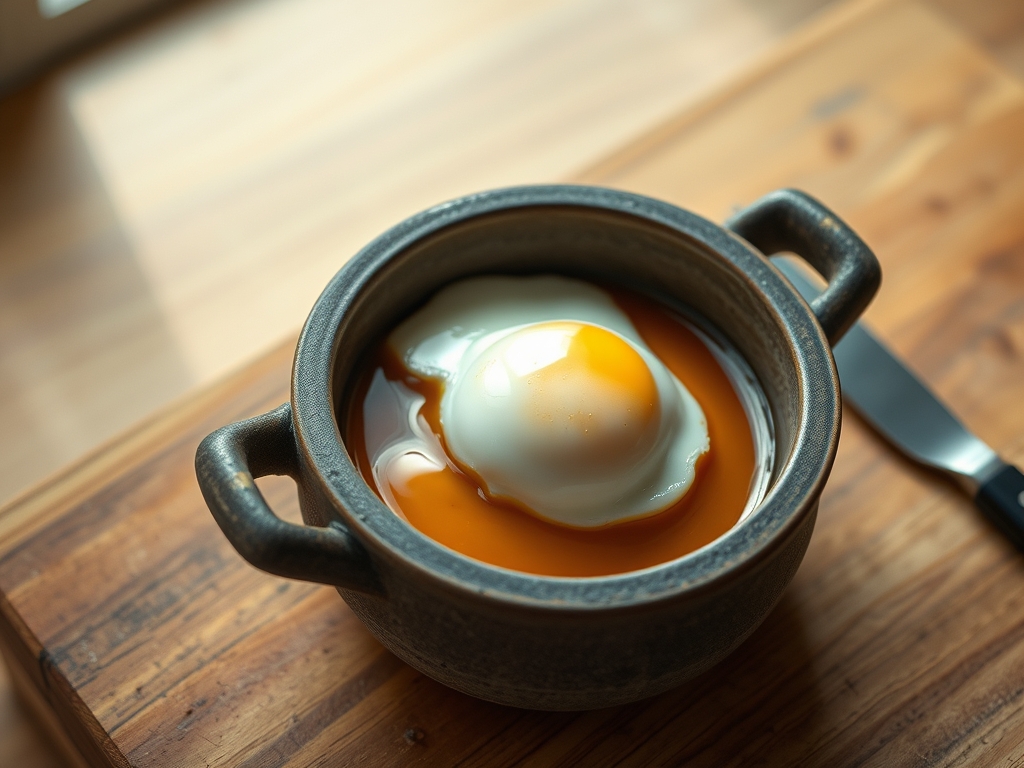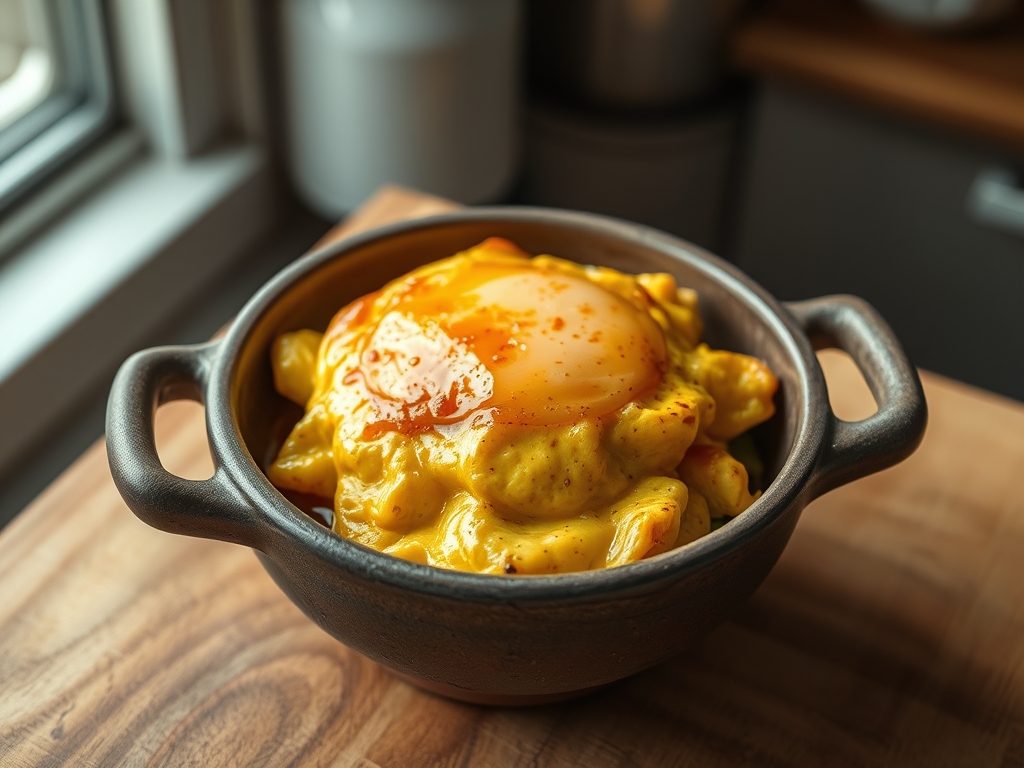
The kitchen is a battlefield of physics where the stakes are measured in microns and milliseconds. You are not just poaching an egg; you are managing a delicate structural suspension of lipids and proteins that threatens to collapse at the slightest provocation. Welcome to the Egg Benedict Audit. This is the ultimate stress test for any culinary infrastructure. We are looking for a viscous, sunshine-yellow hollandaise that clings to the palate with a piquant acidity, paired with an egg that possesses a structural integrity capable of housing a molten, golden center. Most home cooks fail because they treat hollandaise like a sauce when they should treat it like a high-stakes engineering project. We are dealing with an oil-in-water emulsion that requires precise mechanical shear and thermal regulation. If your butter is too hot, the proteins denature and the sauce breaks. If your whisking is too lethargic, you fail to aerate the base, resulting in a heavy, greasy mess. It is time to audit your technique and optimize your breakfast output.
THE DATA MATRIX
| Metric | Specification |
|---|---|
| Prep Time | 15 Minutes |
| Execution Time | 20 Minutes |
| Yield | 4 Servings |
| Complexity (1-10) | 8 (High Technical Demand) |
| Estimated Cost per Serving | $4.50 USD |
THE GATHERS
Ingredient Protocol:
- 8 Large Organic Eggs (4 for poaching, 4 yolks for sauce).
- 250g / 1.1 cups Unsalted High-Fat European Butter.
- 15ml / 1 tbsp White Peppercorns (crushed).
- 45ml / 3 tbsp White Wine Vinegar.
- 1/2 Lemon (juiced).
- 4 Slices Canadian Bacon or Thick-Cut Ham.
- 2 English Muffins (split).
- 5g / 1 tsp Fine Sea Salt.
- 2g / 0.5 tsp Cayenne Pepper.
Section A: Ingredient Quality Audit:
The most common failure point in an Egg Benedict Audit starts at the grocery store. If your eggs are older than a week, the chalazae (the protein strands holding the yolk) weaken, leading to "ghosting" in the poaching water where the whites fray into a messy cloud. Fix: Use the freshest eggs possible and strain away the loose, watery whites through a fine-mesh sieve before poaching.
Sub-par butter is another culprit. Standard American butter has a high water content which can dilute your emulsion. Fix: Source European-style butter with at least 82 percent butterfat. This ensures a more stable, viscous sauce. Finally, if your vinegar lacks punch, the sauce will taste flat. Always use a high-quality white wine vinegar to provide the necessary acid to cut through the heavy lipid profile of the yolks and butter.
THE MASTERCLASS
1. The Reduction Foundation
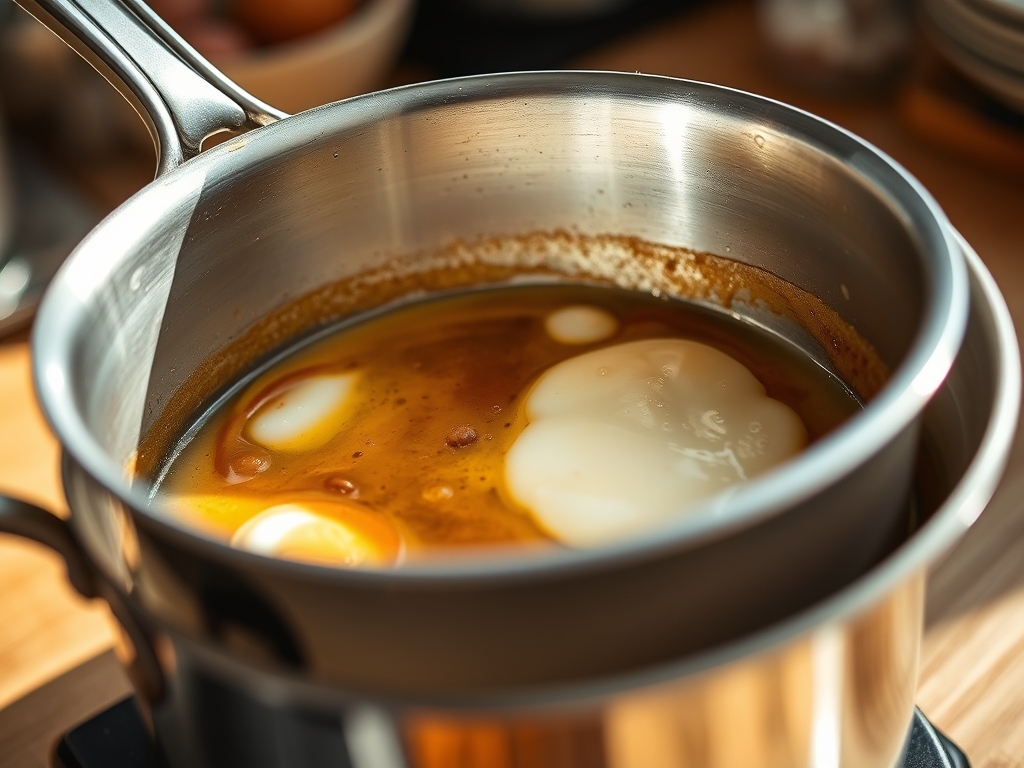
Combine the vinegar, crushed peppercorns, and a splash of water in a small saucier. Reduce the liquid by half over medium heat. This creates a concentrated acid base that will stabilize the egg yolks. Strain the solids and set the liquid aside.
Pro Tip: The science here involves lowering the pH of the yolk mixture. Acidified yolks denature at a slightly higher temperature, giving you a wider safety margin before the eggs scramble. Use a digital scale to ensure your reduction volume is consistent every time.
2. Clarifying the Lipids
Place your butter in a small pot and melt it slowly. Once melted, skim the foam from the top and discard the milky solids at the bottom. You want pure, golden butterfat. Keep this liquid gold at approximately 60 degrees Celsius (140 degrees Fahrenheit).
Pro Tip: Pure butterfat allows for a tighter emulsion. The water in unclarified butter can cause the sauce to thin out prematurely. Use a digital thermometer to monitor the temperature; if the butter is over 70 degrees Celsius, it will cook the yolks on contact and ruin the sauce.
3. The Sabayon Aeration
Place four egg yolks and your vinegar reduction into a stainless steel bowl over a pot of barely simmering water (a bain-marie). Whisk vigorously in a figure-eight motion until the mixture triples in volume and becomes pale and thick.
Pro Tip: This step is about mechanical aeration. You are building a foam of air bubbles trapped in egg protein. If the bowl gets too hot, remove it from the heat periodically. The goal is a "ribbon stage" where the whisk leaves a trail in the mixture.
4. The Emulsification Phase
Slowly, drop by drop, begin whisking your warm clarified butter into the yolk base. Once a stable emulsion forms, you can increase the pour to a thin, steady stream. Continue whisking until all the butter is incorporated and the sauce is thick and glossy. Season with salt, lemon juice, and cayenne.
Pro Tip: This is a kinetic battle. You are forcing tiny droplets of fat to stay suspended in a water-based yolk matrix. If the sauce looks greasy, stop adding fat and add a teaspoon of warm water to re-stabilize the continuous phase.
5. The Poaching Protocol
Bring a deep pan of water to a gentle simmer (about 85 degrees Celsius). Do not add salt, as it breaks down egg whites; add a tablespoon of vinegar instead. Swirl the water gently and drop your strained eggs into the center. Poach for 3 to 4 minutes.
Pro Tip: A bench scraper is excellent for cleaning your workspace after cracking eggs, but for the eggs themselves, use a slotted spoon. The vinegar helps the proteins coagulate faster, keeping the shape tight and professional.
6. Assembly and Maillard Optimization
Toast your English muffins until they achieve a deep, golden-brown Maillard reaction. Sear your Canadian bacon in a heavy skillet to render a bit of the fat and develop a crust. Place the bacon on the muffin, top with the poached egg, and drape generously with hollandaise.
Pro Tip: Always blot your poached eggs on a paper towel before plating. Excess water is the enemy of a perfect audit; it will thin your hollandaise and turn your muffin into a soggy disappointment.
Section B: Prep & Timing Fault-Lines:
The biggest logistical failure in this dish is temperature synchronization. If the eggs are ready but the sauce is broken, or the muffins are cold, the dish fails. To fix this, hold your finished hollandaise in a thermos or a warm (not hot) water bath. Poached eggs can be cooked ahead of time, shocked in ice water, and reheated in warm water for 60 seconds just before service. This "bridge and tunnel" approach ensures every component hits the plate at the peak of its thermal profile.
THE VISUAL SPECTRUM
Section C: Thermal & Visual Troubleshooting:
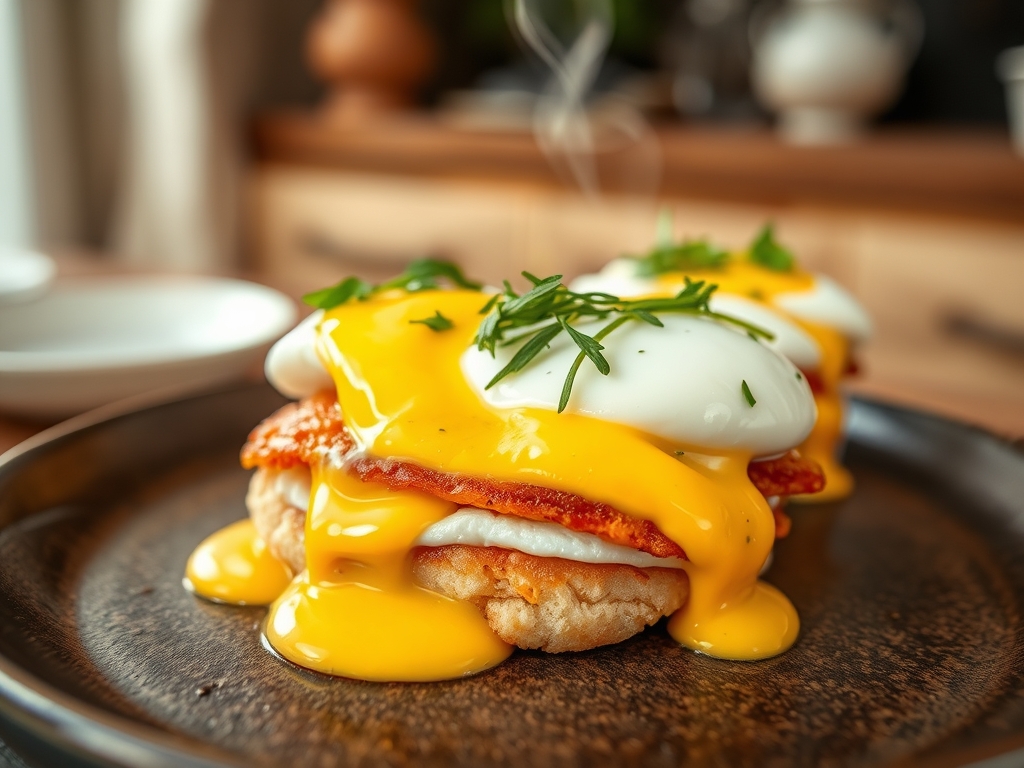
Referencing the Masterclass photo, your hollandaise should have a "heavy cream" consistency that slowly cascades down the sides of the egg without pooling instantly on the plate. If your sauce is dull or matte, it lacks enough fat or has cooled too much. A glossy, reflective surface indicates a healthy emulsion. If your egg whites look "shaggy" or translucent, the water temperature was too low or the eggs were not fresh. The muffin should show a distinct contrast between the charred peaks and the soft, nooks-and-crannies interior. If the bacon looks gray, you failed to render the surface sugars; increase your pan heat to achieve that vital mahogany hue.
THE DEEP DIVE
Macro Nutrition Profile:
A standard serving of two eggs with hollandaise contains approximately 650 calories, 45g of fat, 25g of protein, and 30g of carbohydrates. It is a high-lipid, high-protein powerhouse designed for satiety.
Dietary Swaps:
- Vegan: Use a silken tofu and turmeric base for the "egg" and a cashew-based "hollandaise" with nutritional yeast for umami.
- Keto: Replace the English muffin with a thick slice of grilled tomato or a large portobello mushroom cap.
- GF: Utilize certified gluten-free muffins or a base of crispy smashed potatoes.
Meal Prep & Reheating Science:
Hollandaise is notoriously difficult to reheat because heat breaks the emulsion. To salvage leftover sauce, whisk it into a fresh warm egg yolk over a bain-marie. Do not microwave it; the localized high heat will turn your sauce into an oil slick with scrambled egg bits.
THE KITCHEN TABLE
Why did my hollandaise separate?
Usually, the butter was added too quickly or the temperature exceeded 75 degrees Celsius. The protein lattice collapsed, releasing the trapped fat. Fix it by whisking a teaspoon of boiling water into the broken sauce to re-emulsify the lipids.
Can I use a blender for the sauce?
Yes. A high-speed blender provides immense shear force, making the emulsion very stable. However, it can over-aerate the sauce, making it more like a mousse than a traditional viscous glaze.
How do I get the perfect "swirl" for poaching?
The "vortex" method is best for cooking one egg at a time. For multiple eggs, skip the swirl and use the freshest eggs possible. The freshness of the albumen is more important than the movement of the water.
Why is my sauce too thick?
The sauce has likely cooled or you used too much butter relative to the yolk volume. Whisk in a few drops of warm water or extra lemon juice to thin it back to a pourable consistency.