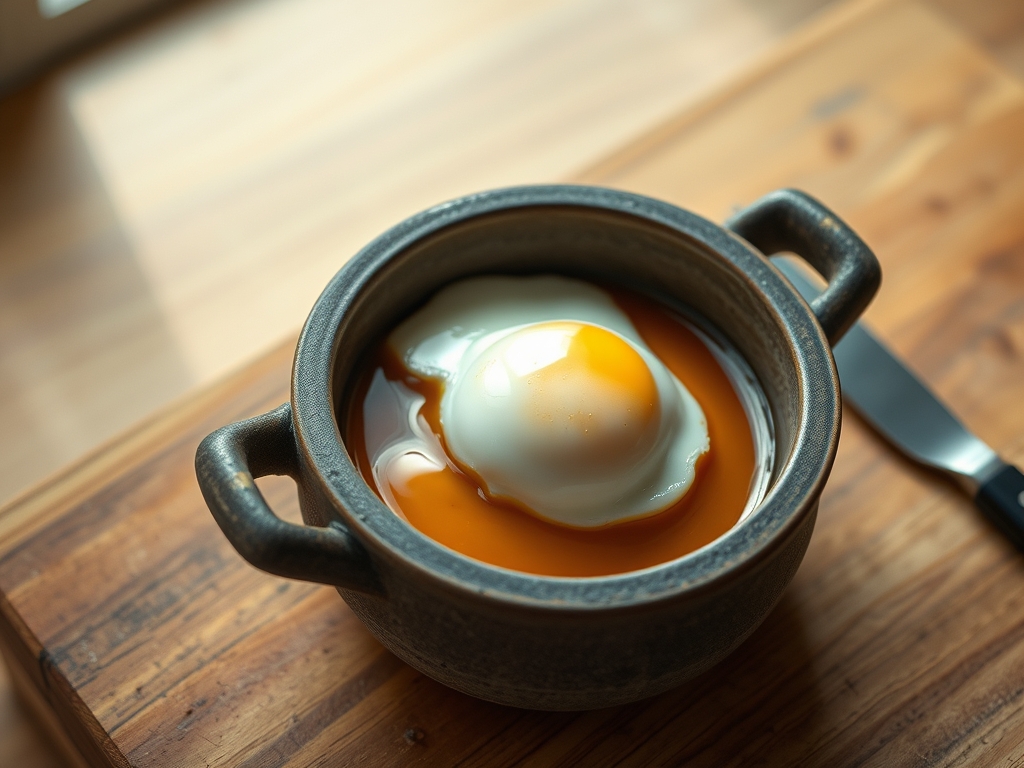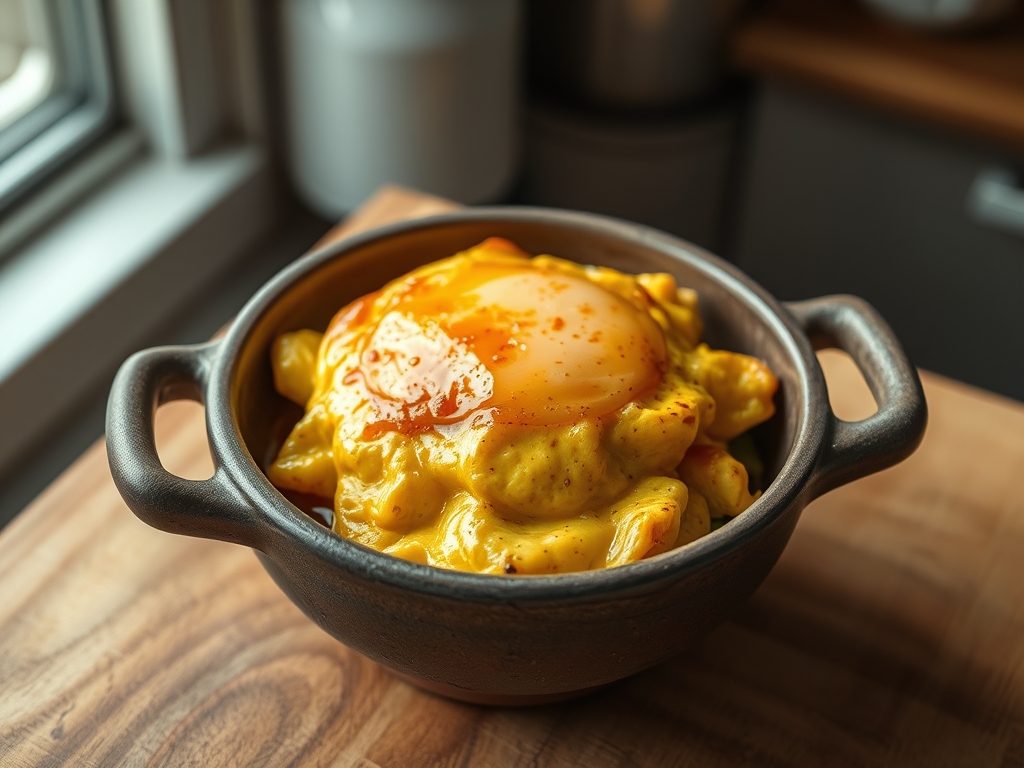
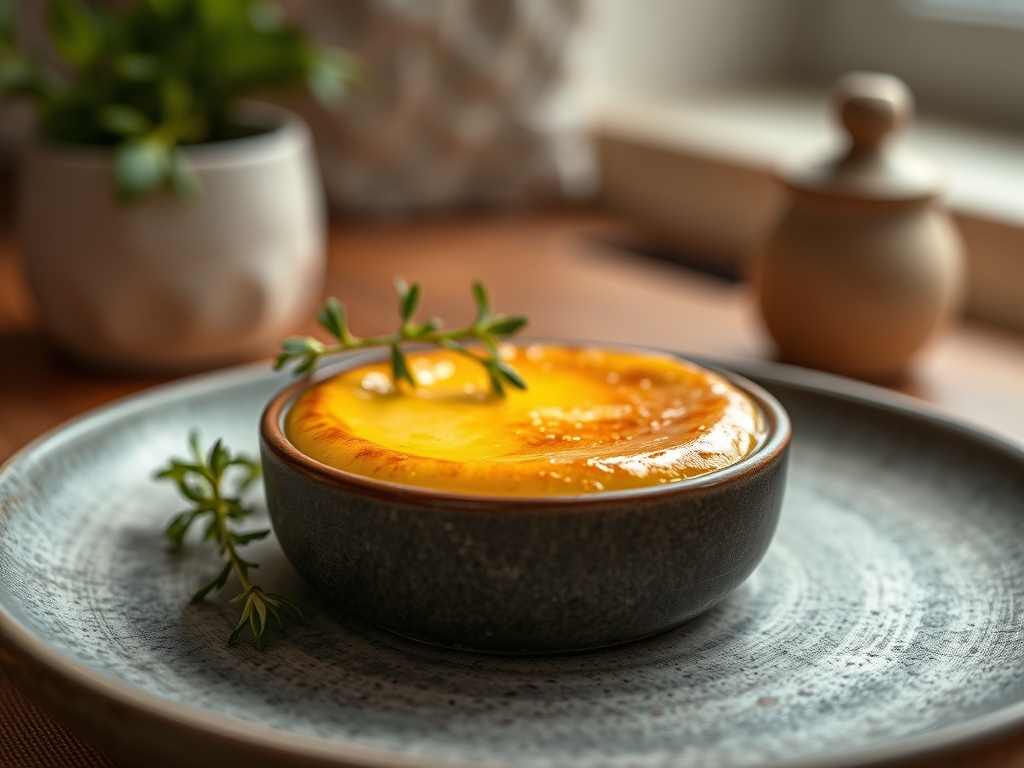
Listen to the sound of a spoon piercing the surface of a perfectly set custard. It is not a splash; it is a structural failure of a highly engineered dairy matrix. This is the realm of the baked egg custard, where we move beyond mere cooking into the territory of protein architecture. To achieve that wobbling, silky interior, we must respect the Custard Setting Data. This is a rigorous set of parameters where temperature, time, and molecular crosslinking intersect. If your oven is a degree too hot, you are not making dessert; you are making sweetened scrambled eggs. If you pull it too early, you have a viscous soup that lacks the structural integrity to hold its own weight. We are looking for the exact moment when the egg proteins unfold and entangle, trapping moisture in a delicate, three-dimensional web. This is high-stakes culinary engineering where the difference between a Michelin-star finish and a weeping mess is measured in seconds. Prepare your digital thermometers and calibrate your expectations. We are about to build a masterpiece.
THE DATA MATRIX
| Metric | Specification |
|---|---|
| Prep Time | 20 Minutes |
| Execution Time | 45 – 55 Minutes |
| Yield | 6 Ramekins (150ml each) |
| Complexity (1-10) | 7 |
| Estimated Cost per Serving | $1.25 |
THE GATHERS
Ingredient Protocol:
- 500ml / 2 cups Heavy Cream (36% Butterfat)
- 100g / 0.5 cup Granulated Sugar
- 6 Large Egg Yolks (Room Temperature)
- 10ml / 2 tsp Vanilla Bean Paste
- 2g / 0.25 tsp Kosher Salt
- 500ml / 2 cups Boiling Water (For the Bain-Marie)
Section A: Ingredient Quality Audit:
The most common failure point in the Custard Setting Data is the use of low-fat dairy. If you attempt to swap heavy cream for skim milk, the protein-to-fat ratio collapses. The result is a brittle, watery gel rather than a luxurious mouthfeel. Ensure your eggs are fresh; older eggs have weaker protein structures that struggle to render a stable matrix. If your vanilla smells like chemicals, it is synthetic vanillin. Invest in high-quality bean paste to infuse the custard with those characteristic black specks and a deep, floral aroma. If the mixture appears broken before it even hits the oven, your yolks were likely too cold, preventing proper emulsification. Fix this by gently warming the base over a double boiler while whisking constantly.
THE MASTERCLASS
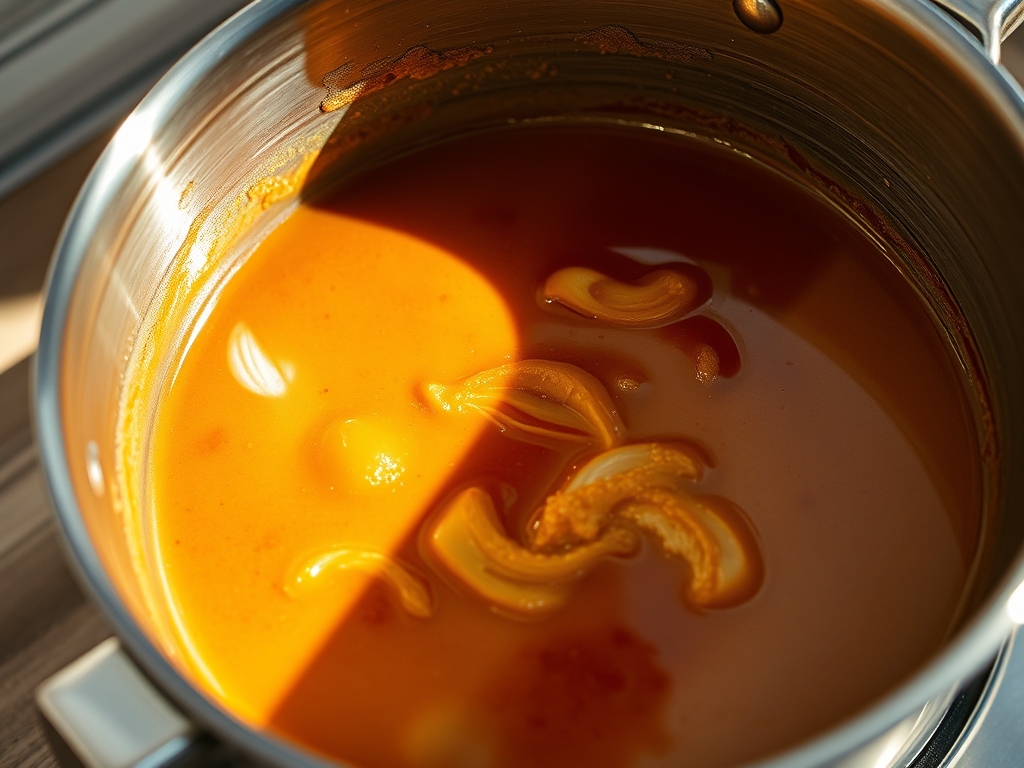
1. The Dairy Infusion
Place your heavy cream and sugar into a heavy-bottomed saucier. Heat over medium-low until the sugar dissolves and the liquid reaches a gentle simmer. Do not let it boil over; we want to infuse the cream with heat, not evaporate the water content.
Pro Tip: Use a digital scale for your sugar. Volumetric measurements are lies told by amateurs. Precision in weight ensures consistent caramelization and sweetness levels across every batch.
2. The Yolk Tempering
While the cream heats, whisk your egg yolks and salt in a stainless steel bowl. Slowly drizzle one ladle of hot cream into the yolks while whisking vigorously. This is the "tempering" phase. You are gradually raising the temperature of the proteins to prevent them from curdling upon contact with the bulk of the hot liquid.
Pro Tip: A silicone whisk is your best friend here. It allows you to reach the "corners" of the bowl, ensuring no stray yolk remains untempered to create lumps in your final product.
3. The Filtration Step
Once all the cream is incorporated into the yolks, pass the entire mixture through a fine-mesh chinois or sieve. This removes the chalazae (the white stringy bits of the egg) and any tiny fragments of cooked egg that may have formed during tempering.
Pro Tip: Do not skip this. A professional custard must be perfectly smooth. Use a bench scraper to help push the liquid through the mesh if it becomes stubborn.
4. The Bain-Marie Setup
Place your ramekins in a deep baking pan. Pour the custard into the ramekins, leaving a small gap at the top. Carefully pour boiling water into the baking pan until it reaches halfway up the sides of the ramekins. This water bath insulates the custard, ensuring the edges do not overcook before the center sets.
Pro Tip: Slide the baking pan onto the oven rack before adding the water. This prevents splashing water into your pristine custard base, which would ruin the surface tension.
5. The Thermal Extraction
Bake at 300 degrees Fahrenheit until the edges are set but the center still has a distinct "jiggle" when shaken. This is the critical window in the Custard Setting Data. The internal temperature should read exactly 170 degrees Fahrenheit.
Pro Tip: Use an instant-read thermometer. Visual cues are subjective; thermal data is absolute. Remove the ramekins from the water bath immediately to stop the residual cooking process.
Section B: Prep & Timing Fault-Lines:
The most frequent human error is the "over-bake." If you wait until the center is firm, the residual heat will carry the temperature past the coagulation point, causing the proteins to tighten and squeeze out water (syneresis). This results in a "weeping" custard. Another timing error occurs during the cooling phase. You must allow the custard to sit at room temperature for 30 minutes before refrigerating. Shocking a hot custard in a cold fridge disrupts the molecular settling, often leading to a cracked surface.
THE VISUAL SPECTRUM
Section C: Thermal & Visual Troubleshooting:
Look closely at the Masterclass photo above. Notice the uniform, pale ivory color and the lack of bubbles on the surface. If your custard has a "pock-marked" appearance, you likely incorporated too much air when whisking. To fix this, use a kitchen torch to pop surface bubbles before baking. If the top is unevenly browned, your oven has hot spots; rotate the pan halfway through. A dull, matte finish usually indicates the oven was too dry. Ensure your bain-marie stays topped up with water to maintain a humid environment, which keeps the surface supple and glossy.
THE DEEP DIVE
- Macro Nutrition Profile: This is a high-fat, moderate-protein dessert. Expect roughly 320 calories per serving, with 28g of fat, 14g of carbohydrates, and 5g of protein. It is a dense energy source designed for indulgence.
- Dietary Swaps: For a Keto version, replace sugar with an erythritol-monk fruit blend. For a Vegan alternative, use full-fat coconut milk and agar-agar, though the "snap" will be different from the egg-based version. It is naturally Gluten-Free.
- Meal Prep & Reheating Science: Custards are best served chilled. To maintain the molecular structure, keep them covered with plastic wrap pressed directly onto the surface to prevent a "skin" from forming. Do not reheat in a microwave; the uneven waves will rupture the protein bonds. If you must serve warm, use a gentle water bath.
THE KITCHEN TABLE
Why did my custard turn out watery?
This is likely syneresis. You overcooked the egg proteins, causing them to contract and expel the liquid they were supposed to hold. Stick strictly to the 170 degree Fahrenheit internal temperature limit to keep the moisture trapped in the matrix.
Can I use whole eggs instead of just yolks?
You can, but the texture will change. Egg whites contain different proteins that set more firmly and at lower temperatures. Using only yolks provides a higher fat content and a more viscous, creamy mouthfeel that defines a premium custard.
My custard has a metallic taste. Why?
If you used an aluminum whisk or bowl with acidic ingredients, a reaction may have occurred. Always use stainless steel or glass to maintain the purity of the flavor profile and avoid any piquant metallic off-notes.
How long can I store these in the fridge?
A properly set custard will maintain its structural integrity for up to three days. Beyond that, the proteins begin to break down and the sugar may start to weep, leading to a loss of that signature silky texture.