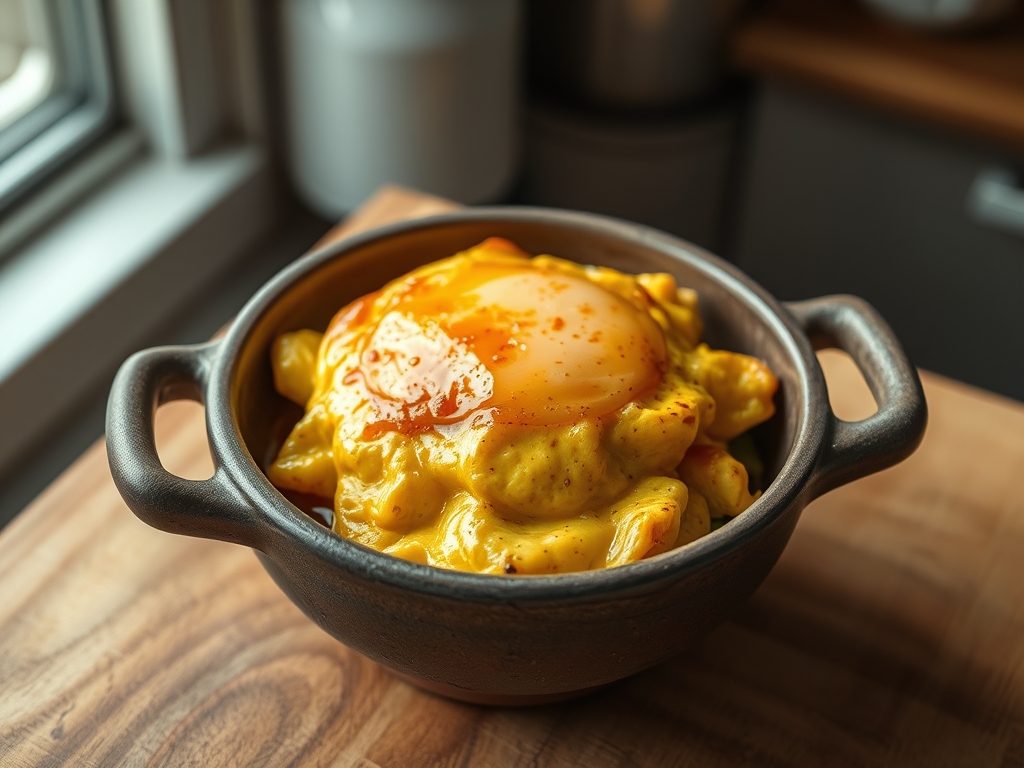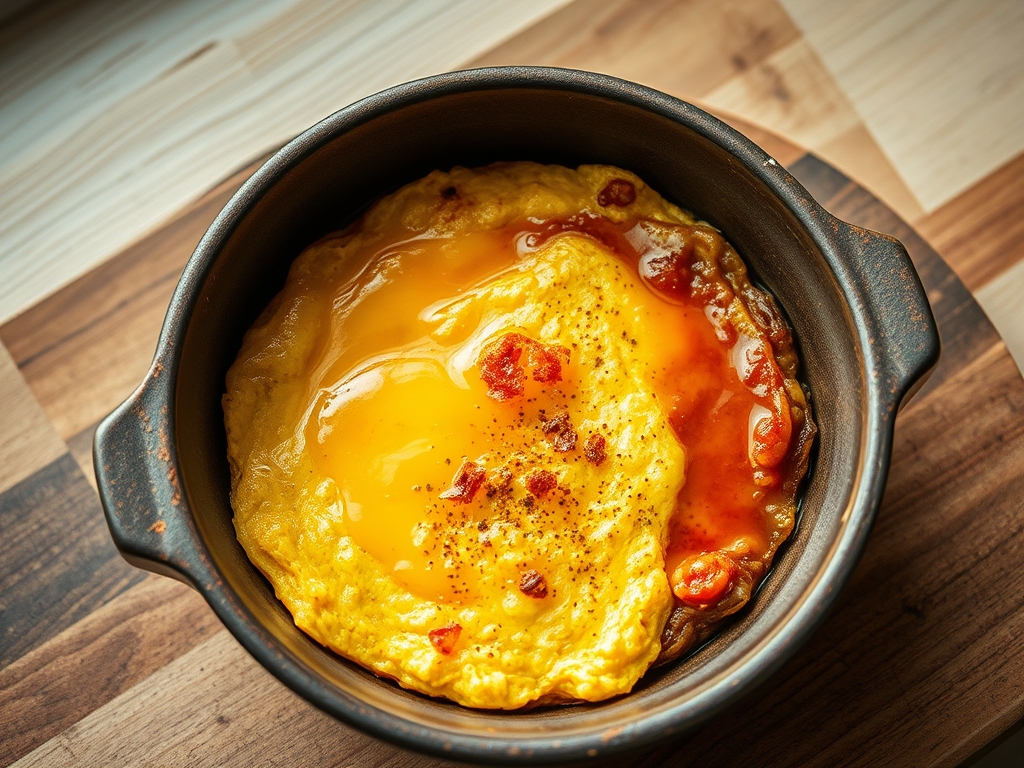
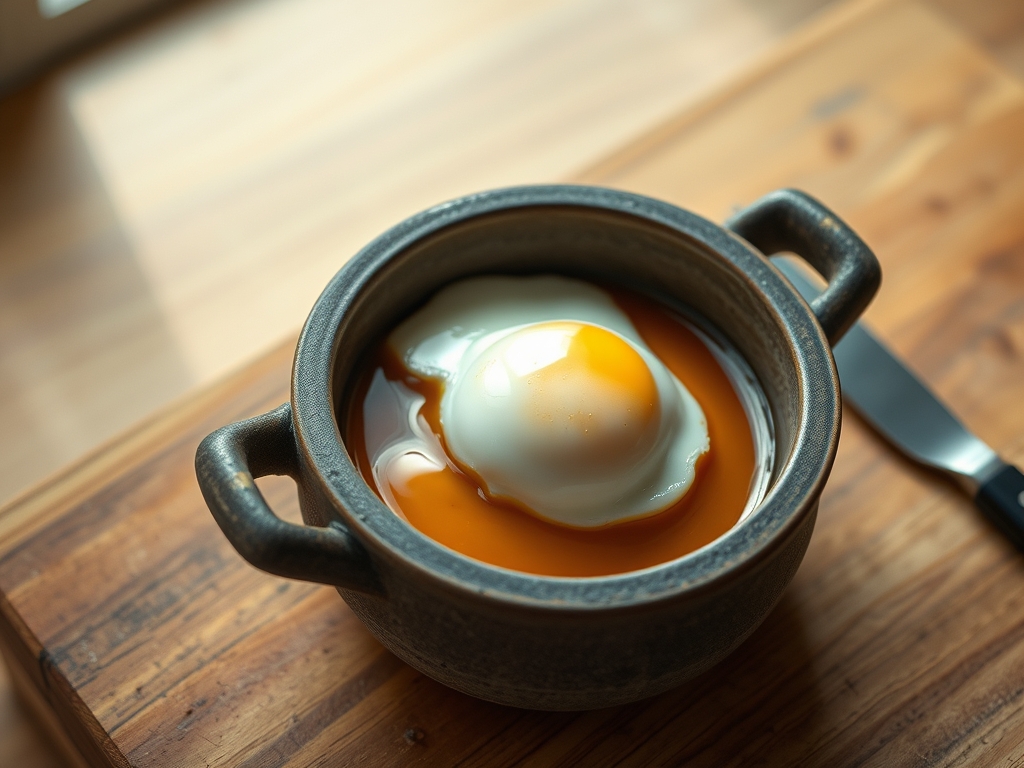
Imagine a sphere of pure, suspended kinetic energy resting atop a slice of charred sourdough. The whites are a porcelain shroud, opaque and shimmering with residual moisture; the yolk is a pressurized chamber of liquid gold waiting for the slightest structural breach. This is not just breakfast. This is a high-stakes engineering feat where surface tension and thermal kinetics collide. Most home cooks approach the stove with hope, but hope is not a strategy. What you need is a Poached Egg Audit. We are hunting for the perfect teardrop shape, the absence of wispy "ghost whites," and a center that flows with the viscosity of warm honey. If your current results look like a jellyfish explosion in a pot of lukewarm water, your infrastructure is failing. We are here to recalibrate your station, optimize your fluid dynamics, and ensure that every egg that hits the water emerges as a masterpiece of molecular stability. Prepare for a total system overhaul of your morning routine.
THE DATA MATRIX
| Metric | Specification |
|---|---|
| Prep Time | 5 Minutes |
| Execution Time | 4 Minutes |
| Yield | 2 Servings |
| Complexity | 7 / 10 |
| Estimated Cost per Serving | $0.85 USD |
THE GATHERS
Ingredient Protocol:
- 2 Large Eggs (Cold, Grade AA preferred)
- 15ml / 1 tbsp White Distilled Vinegar
- 2g / 0.5 tsp Fine Sea Salt
- 2L / 8 cups Filtered Water
- Optional: 1g / 0.25 tsp Cracked Black Pepper
Section A: Ingredient Quality Audit:
The primary failure point in any Poached Egg Audit is the age of the albumen. As an egg ages, the viscous thick white breaks down into a thin, watery liquid. If you use older eggs, they will disintegrate into "angel hair" threads the moment they hit the water. Technical Fix: Perform a buoyancy test; if the egg stands upright in water, the air cell is too large and the proteins are degraded. If you must use older eggs, pass them through a fine-mesh sieve before poaching to remove the watery "thin white" and retain only the structurally sound "thick white." Furthermore, avoid apple cider vinegar or balsamic; the tannins and sugars will discolor the egg. Stick to high-acidity white distilled vinegar to maximize protein coagulation without compromising the visual spectrum.
THE MASTERCLASS
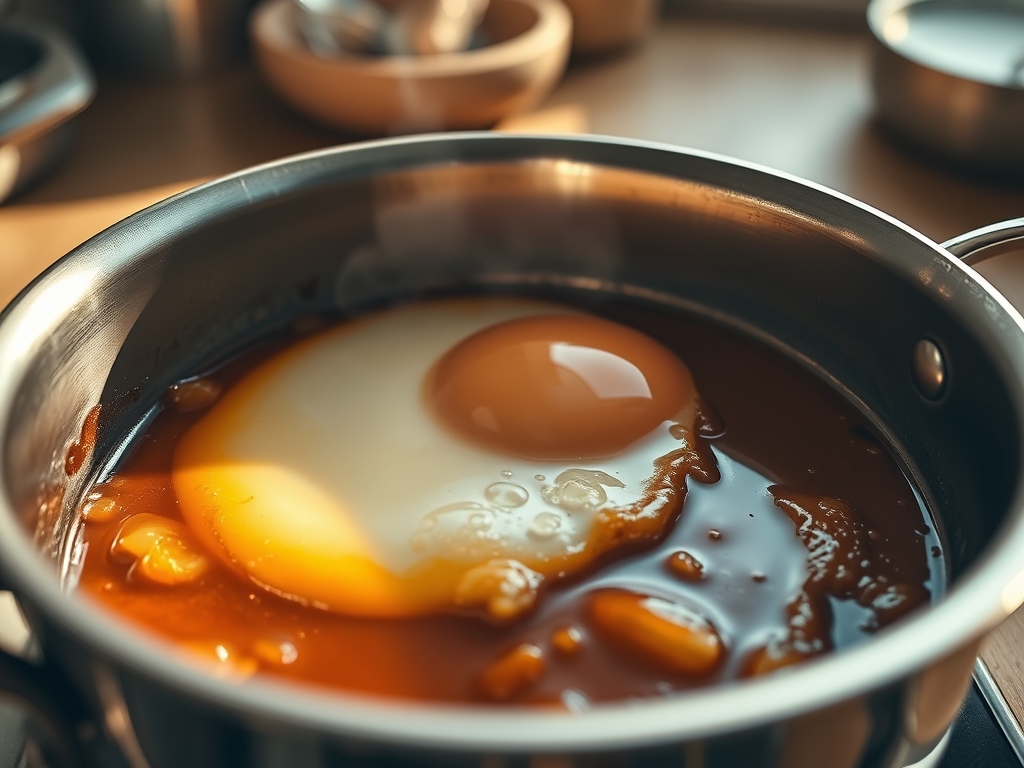
1. Thermal Stabilization and Acidification
Fill a deep saucier with 2 liters of filtered water and bring it to a gentle simmer. Add your salt and vinegar. Use a digital thermometer to ensure the water temperature sits between 180 and 190 degrees Fahrenheit.
Pro Tip: The vinegar acts as a chemical catalyst that lowers the pH of the water, causing the egg proteins to denature and coagulate faster. This "sets" the outer perimeter before the egg has a chance to drift apart in the current.
2. The Centripetal Vortex
Using a whisk or a large spoon, create a gentle whirlpool in the center of the pot. The motion should be steady but not violent.
Pro Tip: This uses centripetal force to wrap the white around the yolk as it descends. By utilizing a saucier with sloped sides, you minimize the turbulence at the edges of the pan, ensuring the egg stays centralized and compact.
3. The Controlled Deployment
Crack your egg into a small ramekin or a digital scale bowl first. Gently slide the egg into the center of the vortex from as close to the water surface as possible.
Pro Tip: Dropping an egg from a height shatters the delicate protein bonds. A low-altitude deployment preserves the spherical integrity. Professional chefs often use a bench scraper to clear any stray foam from the surface during this phase to maintain visibility.
4. The Extraction and Shock
Set a timer for exactly 3 minutes and 30 seconds. Once the time elapses, use a slotted spoon to lift the egg. Press the center gently with your finger; it should feel like a soft marshmallow.
Pro Tip: Transfer the egg immediately to a warm paper towel or a "landing zone" to drain excess water. This prevents the "soggy toast" syndrome and ensures the seasoning adheres to the surface rather than sliding off in a puddle of residual poaching liquid.
Section B: Prep & Timing Fault-Lines:
The most common human error is "The Rolling Boil." If the water is at a full boil, the mechanical energy of the bubbles will tear the egg apart. You want a "shiver" in the water, not a gallop. Another fault-line is overcrowding the pan. If you drop four eggs into a small pot, the water temperature will plummet, extending the cook time and leading to a rubbery exterior and raw interior. Use a large enough vessel to maintain thermal mass. If your timing is off, use a digital scale to weigh your eggs; larger eggs require an extra 15 to 20 seconds of immersion to reach the desired yolk viscosity.
THE VISUAL SPECTRUM
Section C: Thermal & Visual Troubleshooting:
Look at the Masterclass photo above. Note the matte, opaque finish of the whites and the way they tightly hug the yolk. If your egg looks "hairy" or translucent, your water was likely too cold or lacked sufficient acid. If the yolk is visible through the white but looks flattened, the egg was likely dropped too hard or was not fresh enough. To achieve that professional "glow," you can infuse the poaching water with a pinch of turmeric for a warmer hue, though a pure white finish is the gold standard of the Poached Egg Audit. If the egg looks dull, a quick brush of melted clarified butter will render a high-gloss finish that pops under kitchen lights.
THE DEEP DIVE
Macro Nutrition Profile:
A single poached egg provides approximately 72 calories, 6g of high-biological-value protein, and 5g of healthy fats. It is one of the few natural sources of Vitamin D and choline, making it a neurological powerhouse.
Dietary Swaps:
- Vegan: Utilize a "vegan yolk" made from a sphere of nutritional yeast, black salt (kala namak), and algae-based thickeners, though the structural audit will differ significantly.
- Keto/GF: Naturally compliant. Serve over a bed of sautéed spinach or a portobello mushroom cap instead of bread.
Meal Prep & Reheating Science:
You can poach eggs in advance by "under-cooking" them by 30 seconds and immediately shocking them in an ice bath. Store them in cold water in the refrigerator for up to 24 hours. To reheat, submerge them in 140-degree water for 60 seconds. This maintains the molecular structure of the yolk without initiating further coagulation.
THE KITCHEN TABLE
Why does my egg always stick to the bottom?
Your water isn't deep enough or your vortex is too weak. Ensure at least 4 inches of water depth so the egg can "float" and set before it touches the base of the saucier.
Can I poach eggs without vinegar?
Yes, but you need incredibly fresh eggs (laid within 24-48 hours). The vinegar is a safety net for supermarket eggs that have slightly weakened protein structures. It ensures the white stays tight and tidy.
What is the best way to poach multiple eggs?
Use a wide, shallow pan and skip the vortex. Instead, crack the eggs into a fine-mesh strainer to remove thin whites, then gently slide them into simmering water spaced two inches apart.
How do I get a perfectly round shape?
The "Sieve Method" is king. By straining the loose, watery whites before poaching, you leave only the thick albumen which naturally forms a tight, aerodynamic sphere in the water.